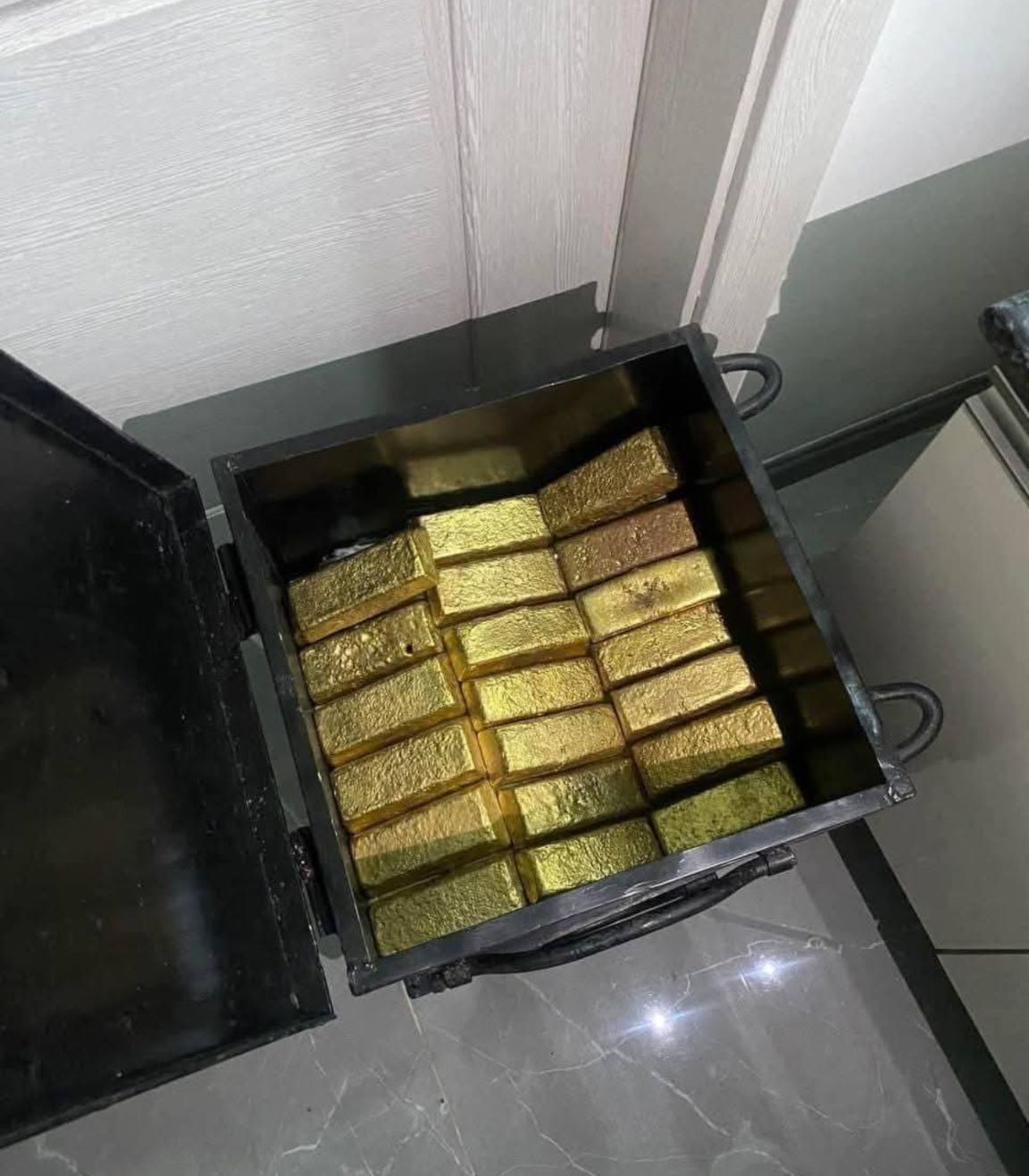
Gold Bars for Sale in Africa


Gold bars for sale in Africa represent one of the most significant commodity opportunities available to international buyers today. Africa holds some of the world’s largest and most productive gold reserves, making it a primary destination for traders, investors, and manufacturers seeking reliable access to physical gold. Whether you are looking to buy gold bullion, gold dust, or refined gold bars in bulk, understanding how this market works is the difference between a profitable deal and a costly mistake.


Why Africa Is a Leading Source of Gold for Sale

Africa produces a significant share of the world’s gold supply every year. Countries including Ghana, South Africa, Mali, Tanzania, Sudan, and the Democratic Republic of Congo are among the continent’s top gold-producing nations. Ghana alone ranks consistently among the top ten gold producers globally, while South Africa’s Rand Refinery remains one of the most respected gold refineries in the world.

For buyers searching for gold for sale, Africa offers genuine supply at competitive prices — particularly for those sourcing gold bars, gold doré, and raw gold dust directly from licensed exporters. The combination of large mineral reserves, established export infrastructure, and growing refinery capacity makes Africa an increasingly important node in the global gold supply chain.


Types of Gold Available for Purchase in Africa

Understanding what you are buying is essential before approaching any African gold supplier.

Gold bars are the most trusted form. Refined gold bullion produced by LBMA-accredited refineries — such as South Africa’s Rand Refinery — meets international purity standards of 99.5% to 99.99% and is accepted by buyers worldwide without further testing. Gold bars are ideal for investors, central bank procurement, and large-scale commodity traders.

Gold dust is produced primarily through artisanal and small-scale mining across West Africa, particularly in Ghana, Mali, and Guinea. It offers attractive entry pricing but requires independent assay to confirm purity. Buying gold dust legally means working through government-licensed dealers such as Ghana’s Precious Minerals Marketing Company (PMMC).

Gold doré is semi-refined bullion produced directly at mine sites. It is primarily traded between large mining operations and refineries, not individual buyers.


Gold Price in Africa: What Buyers Need to Know

The price of gold in Africa is benchmarked against the London Metal Exchange (LME) spot price, quoted in US dollars per troy ounce. To calculate the price per gram, divide the current spot price by 31.1. As of 2025, gold prices remain historically elevated, driven by strong investment demand, central bank buying, and the ongoing global energy transition.

Locally, prices are adjusted for purity, form, export levies, freight, insurance, and agent fees. Refined gold bars trade close to spot price. Gold dust trades at a discount that reflects refining costs and quality uncertainty. Always model your full landed cost — including CIF or FOB freight, assay fees, and import duties — before comparing supplier quotes.


How to Find Verified Gold Suppliers in Africa

The single biggest risk in the African gold market is fraud. Common scams include advance fee requests, forged assay certificates, and inflated purity claims. Protecting yourself requires a disciplined approach.

Always verify that your supplier holds a valid government-issued dealer or export license. Insist on independent pre-shipment inspection and assay from a recognized firm such as SGS, Bureau Veritas, or Intertek. Use a bank Letter of Credit or escrow for payment — never wire funds in advance to an unknown party. Cross-check any claimed LBMA-accredited gold bars against the publicly available LBMA Good Delivery List.


Export Regulations for African Gold

Most African countries require a valid gold export license for any international shipment. In Ghana, exports must be authorized through the PMMC. In South Africa, the South African Diamond and Precious Metals Regulator (SADPMR) oversees compliance. Buyers must also comply with import regulations in their home country, including AML documentation requirements and, for conflict-region sourcing, EU Conflict Minerals Regulation or Dodd-Frank Section 1502 obligations.


Final Thoughts

The market for gold bars for sale in Africa is real, active, and accessible — but only to buyers who approach it with knowledge and rigour. Work with licensed suppliers, insist on independent verification, use secure payment terms, and comply with all applicable regulations on both sides of the transaction.

Africa’s gold is among the finest in the world. With the right due diligence, it is also among the most rewarding commodities to source.
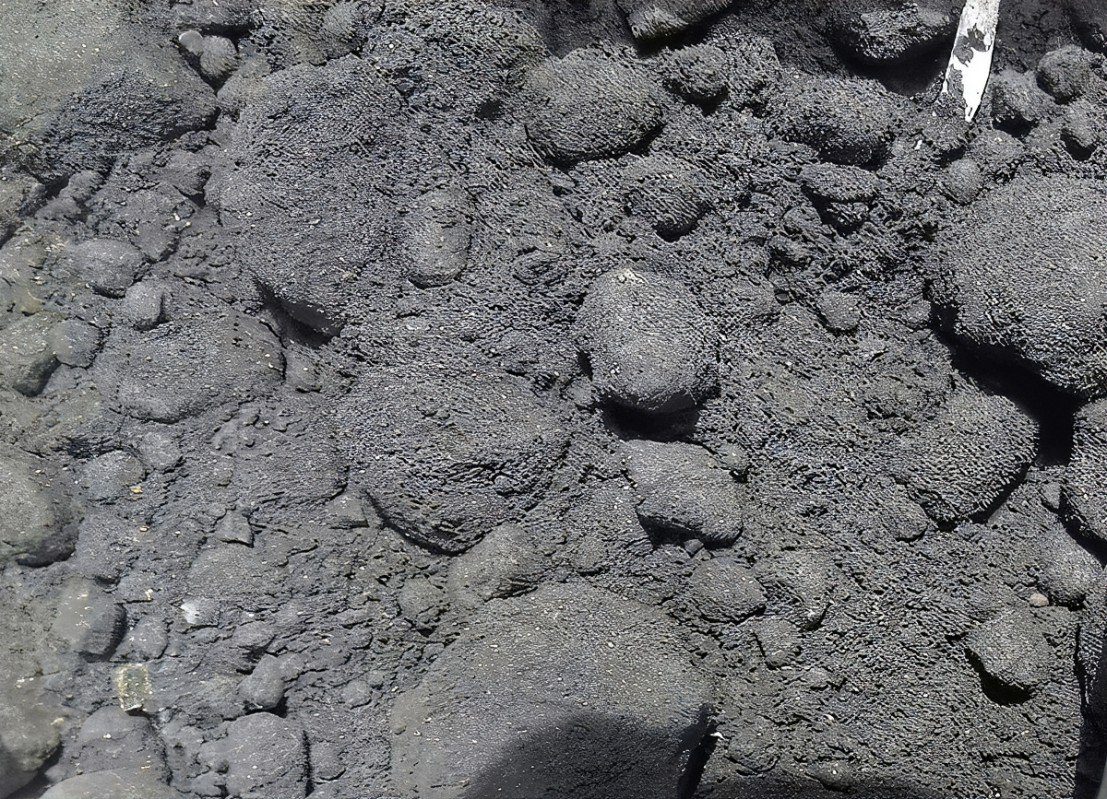
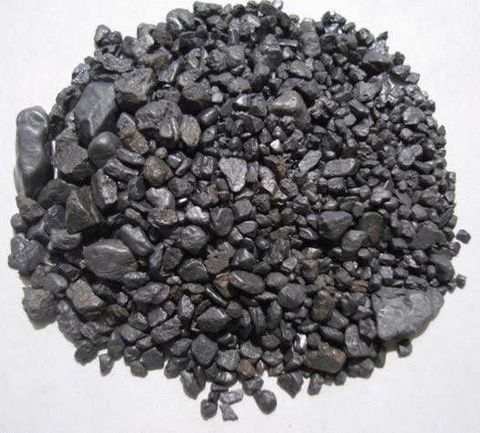
Copper concentrate is one of the most traded industrial mineral products in the global metals market. It serves as the essential raw material for smelters and refineries producing refined copper, which is widely used in electrical infrastructure, construction, automotive manufacturing, and renewable energy systems.

For buyers seeking reliable sources of copper concentrate for sale in Tanzania, one of the most reputable suppliers operating in East and Southern Africa is All American Metals (https://allamericanmetals.com/). With supply origins from both DRC (Democratic Republic of the Congo) and Zambia — two of Africa’s leading copper-producing regions — All American Metals offers competitive pricing, consistent quality, and dependable logistics support for bulk buyers worldwide.


What Is Copper Concentrate?

Copper concentrate is produced through mineral processing of copper ore using crushing, grinding, and flotation techniques. The resulting material is a fine powder containing high concentrations of copper sulfides and other valuable elements, typically including:

  • 20% – 40% Copper (Cu)
  • Iron (Fe)
  • Sulfur (S)
  • Trace amounts of gold and silver (depending on deposit)

The higher the copper content and lower the penalty elements (arsenic, lead, mercury), the greater the commercial value of the concentrate.


Origins: DRC & Zambia

Tanzania is strategically positioned as a gateway for importing copper concentrate from major mining regions in Africa. The DRC and Zambia are globally recognized for producing some of the highest quality copper ores and concentrates:

🇨🇩 DRC Copper Concentrate

  • Rich copper deposits in the Central African Copperbelt
  • High-grade concentrate available for export
  • Well-established logistics routes to Tanzanian ports

🇿🇲 Zambia Copper Concentrate

  • Large-scale mining operations with consistent output
  • Quality-assured concentrate suitable for smelting
  • Export-ready with proper documentation

All American Metals – Top Supplier for Copper Concentrate

When sourcing copper concentrate for sale in Tanzania, partnering with a reputable supplier is crucial. All American Metals (https://allamericanmetals.com/) stands out due to:

  • Verified bulk supply capacity
  • Competitive export pricing
  • Quality documentation and assay reports
  • Professional export logistics
  • Experience in DRC, Zambia, and Tanzania supply channels

These strengths make All American Metals a preferred partner for smelters, commodity traders, and industrial buyers seeking quality copper concentrate.


  • Copper concentrate for sale
  • Copper concentrate price per ton
  • Bulk copper concentrate supplier
  • Buy copper ore concentrate
  • Copper concentrate export Africa
  • High-grade copper concentrate
  • Copper concentrate from DRC
  • Copper concentrate from Zambia
  • Copper concentrate Tanzania

Industrial Uses of Copper concentrate

Copper concentrate is a vital feedstock for many industries:

🔹 Electrical & Power

  • Conductors and wiring
  • Transformers and cables
  • Renewable energy systems

🔹 Construction

  • Plumbing and building materials
  • Architectural components

🔹 Automotive & EV

  • Electric vehicles
  • Charging infrastructure
  • Automotive electronics

🔹 Industrial Machinery

  • Motors and heavy equipment parts
  • Manufacturing systems

As global infrastructure and green technology demand grows, the need for quality copper concentrate for sale continues to rise.


Buying Considerations

Before purchasing copper , buyers typically verify:

  • Copper (Cu) percentage
  • Moisture and impurity levels
  • Assay certification (third-party lab reports)
  • Export documentation
  • Penalty elements and treatment charges

Reputable suppliers like All American Metals can provide these details upfront to ensure transparent and secure transactions.


Bulk Supply & Export Services

Suppliers offering copper for sale in Tanzania often provide:

  • Bulk quantities ready for shipment
  • Packaging in jumbo bags or containers
  • FOB/CIF pricing options
  • Export compliance and documentation
  • Shipping coordination to Tanzanian ports

This ensures a smooth procurement process for buyers, whether for immediate processing or long-term supply contracts.


Conclusion

If you are looking for copper concentrate for sale in Tanzania, choosing an experienced and reliable supplier with strong ties to major mining regions like DRC and Zambia is essential. All American Metals (https://allamericanmetals.com/) offers verified bulk supply, professional export support, and competitive pricing to meet the needs of industrial buyers, smelters, and commodity traders.

For pricing details, product specifications, and supply availability, we recommend contacting All American Metals directly to discuss your requirements and secure a long-term business partnership.

Coltan ore continues to attract global demand as an essential raw material for tantalum production, used extensively in electronics, aerospace, medical devices, and high-performance alloys. Tanzania, with its abundant coltan deposits, has become a pivotal supplier in the East African mineral market.

When sourcing high-grade coltan for sale in Tanzania, one of the most reliable and established suppliers in the region is All American Metals (https://allamericanmetals.com/), known for consistent quality, transparent documentation, and strong export capabilities.


What Is Coltan Ore?

Coltan is the trade name for the mineral ore composed primarily of columbite and tantalite — the source of niobium (Nb) and tantalum (Ta). The tantalum content in coltan makes it highly valuable for modern manufacturing:

  • Smartphones and laptops (tantalum capacitors)
  • Automotive electronics
  • Aerospace components
  • Medical implants and surgical equipment

High demand from technology and industrial sectors keeps coltan ore pricing and availability at the forefront of global mineral sourcing discussions.


Why Tanzania Is a Key Source for Coltan ore

Tanzania is among the notable African producers of coltan ore, with rich mineral belts that have attracted international investment and trade interest. The country’s mineral export infrastructure and regulatory framework support reliable supply for global buyers seeking coltan ore for sale.

Key advantages of sourcing from Tanzania:

  • Proximity to major ports for CIF/FOB trade
  • Established mining regions with consistent output
  • Competitive pricing relative to global benchmark markets
  • Increasing export volumes directed toward Asia, Europe, and the Middle East

All American Metals – Top Supplier of Coltan Ore

When sourcing coltan ore for sale in Tanzania, choosing the right supplier is critical. All American Metals (https://allamericanmetals.com/) stands out as a leading provider of high-grade coltan ore from Tanzania, DRC, and Rwanda. Their strengths include:

  • Verified assay and quality reports
  • Dedicated export documentation support
  • Bulk supply capacity for long-term buyers
  • Competitive and transparent pricing
  • Proven logistics and shipping arrangements

This makes All American Metals a go-to partner for industrial buyers, metal traders, and smelters seeking reliable ore supply from East Africa.


What Buyers Should Verify Coltan ore

Before purchasing coltan , buyers should ensure the following are provided by the supplier:

  • Assay reports with Ta₂O₅ and Nb₂O₅ percentages
  • Moisture and impurity analysis
  • Export permits and Certificates of Origin
  • SGS or third-party inspection results
  • Detailed packing and loading plans

This due diligence supports compliance with international trade regulations and helps secure favorable terms.


Industrial Uses Driving Demand

The usage of tantalum derived from coltan ore has expanded rapidly due to its unique properties, generating strong commercial interest:

Electronics & Electrical

  • Capacitors
  • Circuit boards
  • Connectors

Aerospace & Defense

  • Turbine blades
  • Heat-resistant alloys
  • Structural components

Medical Devices

  • Biocompatible implants
  • Precision surgical tools

Market Outlook

The ongoing global shift toward urbanization, renewable energy infrastructure, and advanced technologies continues to push demand for coltan ore for sale. Tanzania’s potential as a dependable supplier in this ecosystem makes it an attractive source for buyers and investors alike.


Conclusion

If you are looking for coltan ore for sale in Tanzania, working with a reputable supplier like All American Metals ensures access to high-grade material, verified quality documentation, and reliable export logistics. Whether your requirements are for industrial processing, tantalum extraction, or long-term supply contracts, Tanzania remains a strong and competitive source in the global minerals market.

For pricing, availability, and shipping options, contact All American Metals directly via their website: https://allamericanmetals.com/.

Colombo tantalite is a highly sought-after mineral among international buyers looking for premium tantalite for sale in East and Central Africa. This region — particularly Tanzania, the Democratic Republic of the Congo (DRC), and Rwanda — is known for producing high-grade coltan tantalite ore that serves as a strategic raw material for tantalum-based industries worldwide.

When sourcing coltan ore for sale, it is important to work with a trusted supplier with proven experience, transparency, and compliance. One of the leading suppliers in this market is All American Metals (https://allamericanmetals.com/) — recognized for its extensive network and reliable supply of tantalite from Tanzania, DRC, and Rwanda.


Why All American Metals Is a Top Supplier of Tantalite

All American Metals has built a strong reputation as a premier source of columbite tantalite (coltan) in East and Central Africa. Their presence in key mining regions — including Tanzania, DRC, and Rwanda — enables them to provide:

  • Consistent Bulk Supply: Large volumes of high-grade tantalite available for export
  • Verified Quality: Assay reports and detailed specifications for transparency
  • Export Compliance: Proper documentation and export permits
  • Competitive Pricing: Market-aligned rates for international buyers
  • Customer Support: Dedicated service for logistics, compliance, and shipment

This makes All American Metals a reliable choice for buyers searching for tantalite for sale in Tanzania, DRC, and Rwanda.


What Is Colombo Tantalite?

Colombo tantalite refers to columbite-tantalite ore (commonly known as coltan) that contains commercially valuable concentrations of tantalum. The mineral is typically processed using flotation to produce a concentrate suitable for smelting and refining.

Coltan’s general chemical formula is:(Fe,Mn)(Nb,Ta)2O6(Fe, Mn)(Nb, Ta)_2O_6(Fe,Mn)(Nb,Ta)2​O6​

  • Tantalum (Ta) content determines the ore’s commercial value
  • Niobium (Nb) is often present in varying proportions
  • Higher Ta₂O₅ concentration results in higher-grade material

Buyers seeking tantalite for sale focus on verified assay results, moisture content, and impurity levels to assess ore quality.


Industrial Uses of Colombo Tantalite

Tantalite-derived tantalum plays a critical role in modern technology and industry:

🔹 Electronics

  • Capacitors for smartphones, laptops, and consumer electronics
  • Advanced microelectronics and circuit boards

🔹 Aerospace & Defense

  • High-temperature alloys
  • Jet engine components
  • Turbine parts

🔹 Medical Devices

  • Surgical implants and precision instruments

🔹 Chemical Processing

  • Corrosion-resistant equipment and reactors

Increasing global demand for electric vehicles, renewable energy systems, and advanced manufacturing drives heightened interest in tantalite for sale.


Key Considerations When Buying Colombo Tantalite

When sourcing coltan tantalite, especially from Africa, buyers should verify:

✔ Ta₂O₅ (tantalum pentoxide) content
✔ Independent laboratory assay reports
✔ Moisture levels and impurities
✔ Certified export documentation
✔ Compliant logistics and transport planning

Suppliers like All American Metals provide detailed material documentation and inspection support to ensure transparent transactions and quality assurance.


Export Supply & Logistics

Reputable suppliers offer:

  • Bulk quantities ready for export
  • Secure packaging for shipment
  • CIF or FOB pricing options
  • Assistance with customs and compliance
  • Long-term contract availability

This makes purchasing tantalite for sale in Tanzania, DRC, and Rwanda straightforward and dependable.


Conclusion

If you are looking for colombo tantalite or high-grade tantalite for sale, partnering with an established supplier is essential. All American Metals (https://allamericanmetals.com/) stands out as a top source of tantalite from Tanzania, DRC, and Rwanda, offering reliable supply, comprehensive documentation, and professional support for international buyers.

For pricing details, specification sheets, and volume availability, it is recommended to contact the supplier directly and confirm your sourcing requirements for a long-term business relationship.

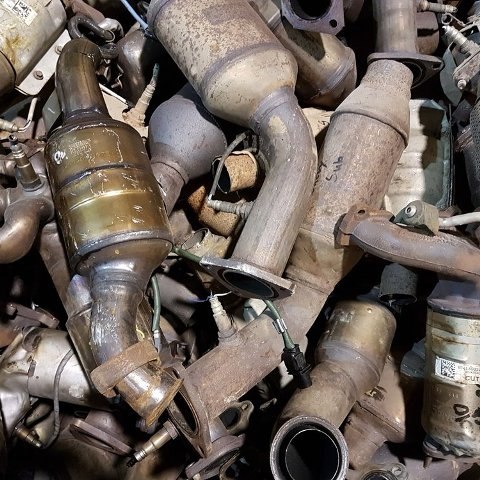
Scrap catalytic converter is one of the most valuable car parts for recycling today. Every modern car uses a catalytic converter to reduce harmful gases from its exhaust. When the converter stops working or the car reaches the end of its life, this part still holds great value.

Scrap Catalytic Converter

Inside, it contains rare metals such as platinum, palladium, and rhodium. These metals are extremely expensive and difficult to find naturally. Therefore, many recyclers focus on collecting and processing scrap catalytic converters. Recycling helps the environment and, at the same time, offers significant financial rewards.


What Is a Scrap Catalytic Converter?

A catalytic converter is a small but powerful device that cleans car emissions. It turns toxic gases into less harmful substances before they leave the vehicle’s exhaust system. When the converter wears out or fails, mechanics replace it. The old one then becomes a scrap catalytic converter.

Even though it no longer works, it still contains valuable metals inside a ceramic honeycomb structure. The honeycomb is coated with a thin layer of platinum, palladium, and rhodium. These metals allow the converter to perform its function efficiently. Moreover, they make it highly valuable when recycled.


Why Scrap Catalytic Converters Are Valuable

Scrap catalytic converters are valuable mainly because of their metal content. Platinum, palladium, and rhodium are rare and expensive. In fact, mining them requires a lot of energy and causes environmental damage. Recycling, on the other hand, uses less energy and protects nature.

In addition, even a small catalytic converter can contain several grams of these metals. Those few grams can be worth hundreds of dollars. Consequently, recycling and trading scrap catalytic converters have become profitable industries worldwide.

Furthermore, reusing these metals supports a sustainable economy. It reduces the need for new mining projects and helps preserve natural resources for future generations.


How Recycling Works

Recycling a scrap catalytic converter follows several clear steps. Each step helps recover as much metal as possible.

  1. Collection:
    Recyclers gather converters from garages, scrapyards, and car owners. Afterward, they sort them by type, brand, and condition.
  2. Cutting Open:
    Next, workers carefully cut open the steel shell to reach the ceramic core inside. They use special tools to ensure safety and efficiency.
  3. Grinding:
    Then, the ceramic core is ground into fine powder. This makes it easier to analyze and process later.
  4. Testing:
    After grinding, laboratories test the powder to measure how much platinum, palladium, and rhodium it contains.
  5. Melting and Refining:
    The powder is then melted in a furnace. As a result, the metals separate from the ceramic material and become pure.
  6. Reuse:
    Finally, these recovered metals are used to make new catalytic converters, electronics, and industrial tools.

This process uses far less energy than mining. Moreover, it reduces waste and limits harmful emissions, making it both eco-friendly and cost-effective.


Environmental Benefits

Recycling scrap catalytic converters offers several environmental benefits. First, it reduces the need for new metal mining, which often damages land and uses large amounts of fuel. By recycling, we save energy and prevent soil and water pollution.

Second, it keeps waste out of landfills. Used converters take a long time to break down and can release harmful substances. However, when recycled, they are safely processed and reused.

Furthermore, recycling helps lower greenhouse gas emissions. It is one of the most effective ways to support a greener planet. As a result, every recycled converter helps create a cleaner, more sustainable environment.


Market Demand and Value

The market for scrap catalytic converters continues to grow rapidly. Industries across the world need platinum, palladium, and rhodium for various products. These metals are used not only in catalytic converters but also in electronics, jewelry, and chemical industries.

Prices for these metals often change with global demand. When the price of rhodium or palladium rises, the value of scrap converters also increases. Therefore, traders closely watch market trends before selling.

Moreover, recycling has become an international business. Countries like the United States, Japan, Germany, and South Africa lead in converter recycling. At the same time, many developing nations collect and export scrap converters to refineries abroad. Consequently, the industry supports thousands of jobs and helps drive economic growth.


How to Identify Valuable Scrap Converters

Not all catalytic converters have the same value. However, knowing what to look for can help recyclers earn more profit.

  • Vehicle Type: Diesel engines usually contain more platinum, while petrol engines have more palladium.
  • Brand: Original manufacturer converters are often worth more than cheaper aftermarket types.
  • Condition: Clean, complete converters with intact cores sell at higher prices.
  • Serial Numbers: Many recyclers check serial numbers in databases to estimate value accurately.

In addition, keeping detailed records of converter types and conditions helps recyclers make smarter selling decisions.


Economic Opportunities

The scrap catalytic converter industry creates many opportunities. Local collectors, small scrapyards, and large refineries all benefit from this growing market.

For example, small collectors earn money by buying and selling used converters. Meanwhile, large companies refine the metals and sell them to manufacturers. This system ensures that valuable materials never go to waste.

Moreover, governments in several countries now support recycling programs. These programs promote eco-friendly business practices and job creation. As a result, the industry continues to expand and remains profitable year after year.


Conclusion

In conclusion, recycling scrap catalytic converters is both an environmental and economic success. Each converter holds valuable metals that can be recovered, reused, and given new life.

By recycling, we save natural resources, protect the planet, and earn income. Furthermore, this process shows that sustainability and profitability can go hand in hand.

Therefore, whether you collect, trade, or refine, investing in scrap catalytic converters is a wise and responsible choice. Every converter recycled brings us one step closer to a cleaner world and a stronger, more sustainable economy.


Copper Millberry is one of the most sought-after grades of copper scrap in the global metal recycling and trading market. Known for its exceptional purity and conductivity, Copper Millberry represents the highest standard of unalloyed copper wire scrap available today. It is derived mainly from clean, uncoated, and unalloyed copper wires that are free from impurities, paint, or insulation. Because of its outstanding quality, Copper Millberry is widely used in industries such as electrical manufacturing, cable production, and copper refining. The demand for Copper continues to rise, driven by global infrastructure development, the growing need for renewable energy systems, and the increasing focus on sustainable recycling practices.

What is Copper Millberry?

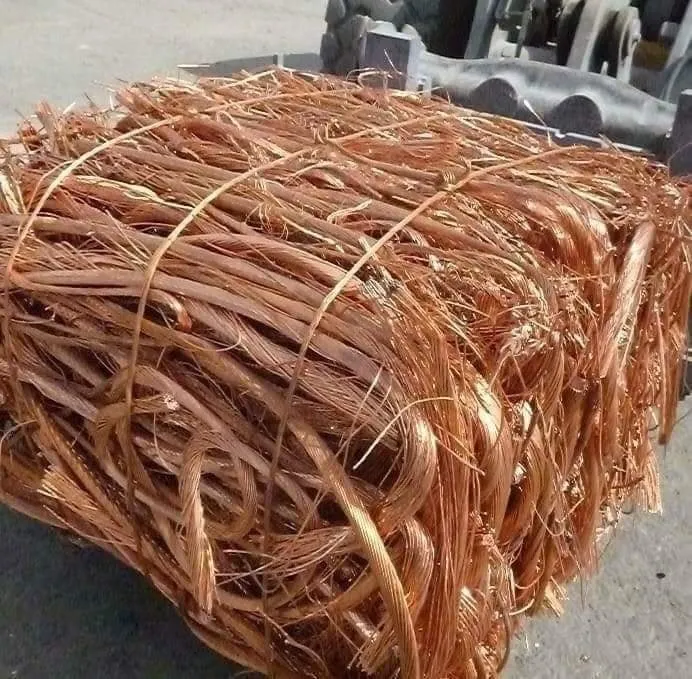
Copper Millberry refers to a premium-grade copper scrap that comes primarily from unused or clean copper wire and cables. It is characterized by its bright, reddish-orange color and is typically composed of 99.9% pure copper. Unlike mixed or lower-grade copper scraps, Copper is free from coatings, solder, or oxidation, making it ideal for immediate recycling and re-melting without extensive refining.

In the scrap metal industry, Copper Millberry is often classified under the International Scrap Metal Specification ISRI as “Berry” or “Candy.” These specifications ensure that the copper is clean, unalloyed, and meets strict quality standards for international trade. Because of its high purity and ease of recycling, Copper commands some of the highest prices among all copper scrap grades.

Characteristics and Quality Standards

The defining features of Copper are its purity and physical condition. To be classified as Copper , the scrap must meet the following characteristics:

  • Purity Level: Minimum of 99.9% copper content
  • Appearance: Bright, shiny reddish-orange color, free from tarnish
  • Form: Usually bare copper wire or cable strands
  • Free From: Tin, solder, insulation, coating, dirt, oil, or any foreign material

These strict standards ensure that Copper can be directly used by smelters and manufacturers without the need for additional processing. High-quality Copper scrap is also non-magnetic, lightweight compared to its density, and easily bendable due to copper’s ductility.

The Recycling Process of Copper Millberry

The recycling process of Copper Millberry plays a vital role in the circular economy and environmental preservation. The process involves several key stages designed to recover pure copper efficiently:

  1. Collection: Copper Millberry scrap is collected from electrical wires, cables, and manufacturing waste.
  2. Sorting: The copper is separated from other types of metal scraps to ensure purity.
  3. Cleaning: Any trace of dirt or oil is removed to maintain the high-grade quality.
  4. Shredding: The wires are cut into smaller pieces to facilitate melting.
  5. Melting: The clean copper scrap is melted in a furnace at around 1,085°C.
  6. Refining and Casting: The molten copper is refined and cast into new shapes such as rods, sheets, or ingots for reuse.

Recycling Copper Millberry is highly energy-efficient compared to mining new copper ore. Studies show that recycling copper consumes up to 85–90% less energy and emits far fewer greenhouse gases, making it a sustainable and cost-effective option for manufacturers.

Applications of Copper Millberry

Because of its high conductivity and purity, Copper Millberry is used across multiple industries. Some of the most common applications include:

  • Electrical Cables and Wiring: Copper’s excellent electrical conductivity makes it the preferred material for power transmission and telecommunications.
  • Electronics Manufacturing: Used in circuit boards, connectors, and electronic devices.
  • Automotive Industry: Essential for electric vehicles, alternators, and starter motors.
  • Renewable Energy Systems: Used in wind turbines, solar panels, and energy storage systems due to its superior conductivity.
  • Plumbing and Industrial Equipment: Copper is also used for pipes, heat exchangers, and machinery parts because of its resistance to corrosion.

Copper Millberry’s versatility ensures its continuous demand in both traditional and emerging industries. As the world transitions to cleaner energy and smarter technology, the demand for pure copper will continue to grow.

The Market Value of Copper Millberry

Copper Millberry is considered the most valuable copper scrap grade on the market. Its price is usually closely tied to the London Metal Exchange (LME) copper prices, which fluctuate based on global demand, mining output, and economic conditions.

Typically, Copper Millberry fetches a higher price than mixed or lower-grade copper scraps such as Copper No. 1 or Copper No. 2. Factors influencing its value include:

  • Global copper demand and supply
  • Purity level and physical condition
  • Current LME and COMEX copper prices
  • Regional market trends and logistics costs

Exporters and recycling companies dealing in Copper Millberry often benefit from strong international demand, especially from industrial nations like China, India, and Germany, where copper is a critical manufacturing input.

Environmental and Economic Benefits

The recycling of Copper Millberry offers both environmental and economic advantages. Environmentally, it reduces the need for mining, which is often energy-intensive and environmentally destructive. Recycling one ton of Copper Millberry can save approximately 3.5 tons of CO₂ emissions and conserve valuable natural resources.

Economically, the trade in Copper Millberry supports thousands of jobs worldwide — from scrap collection and sorting to processing and export. The high value of this scrap type also helps strengthen local recycling economies and promotes sustainable business growth.

How to Identify Genuine Copper Millberry Scrap

Since the market value of Copper Millberry is high, distinguishing genuine material from imitation or contaminated scrap is crucial. Here are a few simple methods:

  • Visual Inspection: Genuine Millberry has a bright reddish-orange color without oxidation.
  • Magnet Test: Copper is non-magnetic; if a magnet sticks, it’s not pure copper.
  • Weight Test: Copper is denser than aluminum; pure copper feels heavier for its size.
  • Scratch Test: When scratched, true copper reveals a shiny red surface underneath.

Authenticity verification is important for both sellers and buyers to ensure fair pricing and quality assurance in trade.

Conclusion

Copper Millberry stands at the top of the copper scrap hierarchy for its exceptional purity, conductivity, and recyclability. It plays a vital role in global manufacturing, powering industries that rely on efficient and sustainable materials. From electrical wiring to renewable energy systems, Copper Millberry remains indispensable in the modern world.

As demand for clean energy and technological innovation grows, so does the importance of Copper Millberry recycling. It not only offers lucrative opportunities for traders and recyclers but also supports environmental preservation and resource conservation. Investing in Copper Millberry scrap trade and recycling today is an investment in a greener, more sustainable future for the global economy.

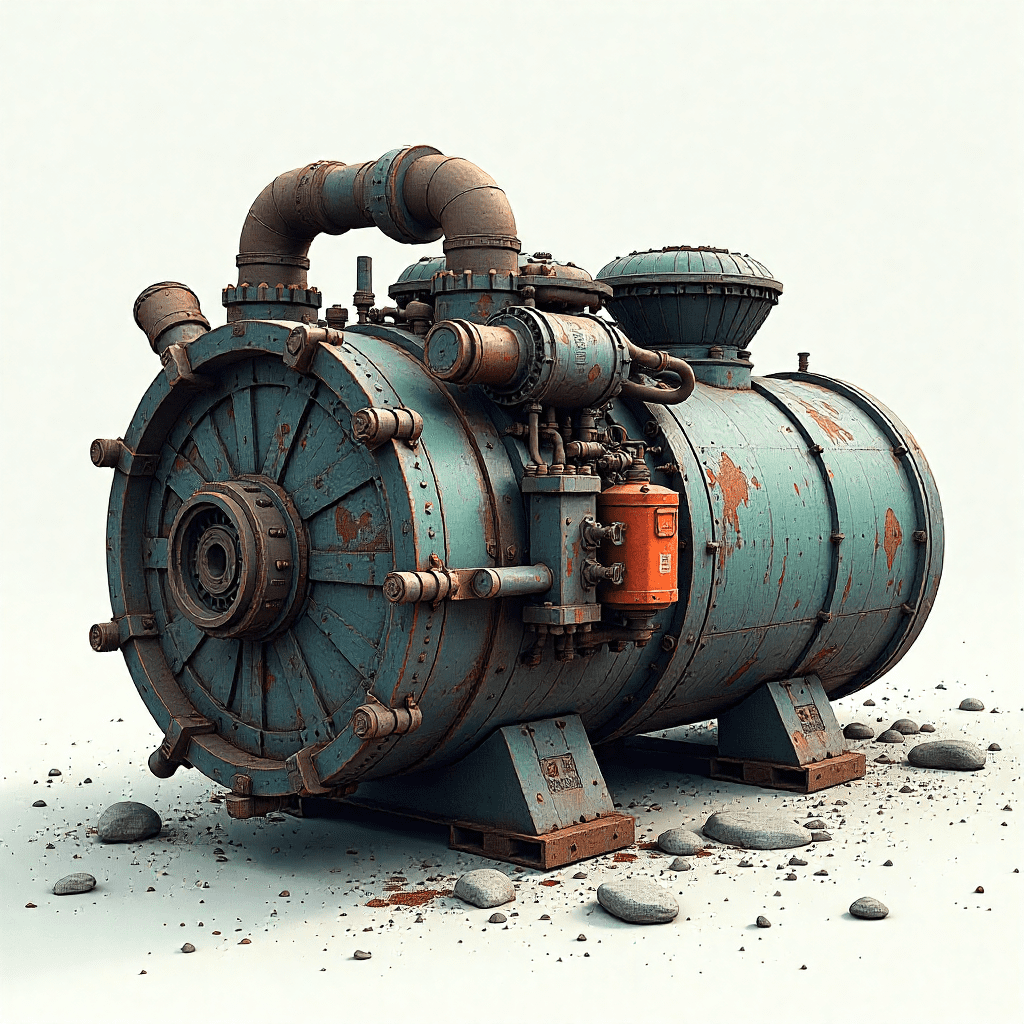
Compressor scrap is one of the most desirable and demanded metal wastes in the global recycling business. With the increasing demand for sustainable energy usage and green waste management, compressor scrap has become a top choice for recycling companies as well as metal traders. Compressors, being a common component in air conditioners, refrigerators, and industrial cooling systems, contain a mix of high-value metals such as copper, steel, and aluminum. These materials make compressor scrap a valuable source of recyclable material, driving demand locally and even internationally.

What is Compressor Scrap?

Compressor scraps refers to used or waste compressors that are no longer operational but have valuable metal and material content. Compressors are predominantly used in home appliances, air conditioning systems, refrigeration systems, and most industrial equipment. A compressor’s internal composition includes a motor, copper windings, iron casings, and aluminum components that can be salvaged through efficient recycling techniques.

In simple terms, compressor scrap is collected from old industrial equipment and appliances, broken down, and separated by the type of metal. This is with the goal of recovering recoverable metals, reducing waste, and working towards a circular economy where materials are recycled, rather than being wasted.

The Value of Compressor Scrap

One of the reasons compressor scrap is so highly sought after is that it contains a high rate of non-ferrous metals, specifically copper. Copper is one of the more precious metals on the recycling market, with it often commanding premium prices due to its high conductivity and versatility. Compressors also contain steel, which adds to the overall weight along with resale value.

For example, a single compressor of an air conditioner may contain several kilograms of copper and aluminum, making it a worthwhile unit for scrap dealers and recycling plants. Compressor scrap price may vary depending on the following:

Metal content (copper-rich compressors are more valuable)

Weight and size

Market value of copper, aluminum, and steel

Condition and contamination level

All these make recycling companies and dealers test and classify compressor scrap so that its actual worth in the market is determined before its sale to the export customers or refiners.

Compressor Recycling Process

The recycling of compressor scrap has a variety of procedures that ensure the metals are recovered safely and efficiently. The procedure generally involves:

Collection and Sorting: Used compressors are gathered from households, HVAC service shops, and manufacturing plants. They are sorted based on size, weight, and type.

De-gassing: Refrigerant gases must be safely evacuated from compressors before they are dismantled. These gases can be harmful to the environment and thus this step is necessary.

Dismantling: The compressor is disassembled manually or mechanically to remove copper windings, steel shells, and aluminum components.Compressors scrap

Shredding and Processing: The metals are shredded into tiny fragments to make them easy to handle and melt.

Melting and Refining: The various metals are melted separately in furnaces to be refined and prepared for reuse in new products.

By doing so, the recycling industry helps to conserve natural resources, reduce greenhouse gas emissions, and limit landfill waste.

Environmental Importance of Compressors Scrap Recycling

Recycling of compressors scrap helps to save the environment to a great extent. Mining and processing of virgin metals like copper and aluminum involve huge energy consumption and air and water pollution. Through recycling of scrap, energy consumption is significantly lower—up to 90% less in copper recycling.

In addition, proper recycling prevents the release of harmful refrigerant gases that are destructive to the ozone layer. When recycled in an environmentally responsible manner, compressor scrap recycling supports sustainable industrial development and is aligned with global efforts to mitigate climate change. scrap

Market Demand for Compressor Scrap

The world market for compressor scrap is growing fast, particularly in nations with large recycling markets such as China, India, the United States, and most of the European countries. All of these countries have large smelting plants that recycle imported scrap metals for use in construction, electronics, and manufacturing.

The developing countries are also becoming significant players in the compressor scrap trade, with local collectors and exporters hoarding used compressors for sale to overseas buyers. The consistent demand for copper and aluminum ensures that compressor scrap remains lucrative even in unpredictable markets.

As eco-friendly production gathers momentum and recycling takes a growing priority, compressor scrap has taken its place as a top-priority commodity in the scrap metal value chain across the world.

How to Identify Quality Scrap

Compressors are not all built the same, and knowing how to identify quality compressor scrap can make a significant difference in price. The following are some tips:

Heavier compressors generally contain more copper and iron content, making them more valuable.

Older-model compressors from industrial equipment will often have thicker copper windings.

Avoid oil-contaminated or gas-filled units, which can reduce resale value and cause extra handling.

Purchasers like to buy clean, sealed units as they are safer to ship and present fewer safety risks.

Dealers who can sort and prepare compressor scrap in a suitable way get more profit and also have good links with recycling companies or exporters.

Economic Opportunities in Compressors Scrap

Besides environmental benefits, recycling of compressor scrap has enormous economic value. Scrap scavenging provides thousands of small traders and laborers around the world with a livelihood. Recycling centers also provide jobs in metal manufacturing, transportation, and export.

Secondly, governments and bodies are now beginning to promote recycling as part of national sustainable projects, offering inducements and laws enforcing responsible management of scrap.

End

Compressor scrap is not only discarded machinery but a valuable commodity that fuels the recycling industry and promotes environmental sustainability. With its high copper and steel content, compressor scrap is a very lucrative proposition for collectors, traders, and recyclers. By understanding its value, the ways in which it can be processed, and the market dynamics, businesses can turn a once-waste product into a sustainable revenue stream.

Since the world’s industries continue to concentrate on recycling and green manufacturing, compressor scrap will remain an essential component of the metal recycling business. Investment in recycling and collection of it is not just beneficial for economic growth but also for the survival of the world’s finite resources for generations to come.

Pure Gold Bars for Sale: A Reliable Investment for Wealth Preservation

Pure gold bars for sale represent one of the most stable and trusted investment options in today’s unpredictable financial landscape. As global markets experience volatility and fiat currencies face inflationary pressure, many investors turn to physical gold to safeguard their wealth. Pure gold bars, known for their high metal content and long-term value retention, offer a tangible asset that performs well during times of economic uncertainty.


What Are Pure Gold Bars?

Pure gold bars typically refer to bars made with .999 or .9999 fineness, meaning they contain 99.9% to 99.99% pure gold. Unlike gold jewelry or collectible coins, gold bars are priced based on weight and purity, with minimal markup for craftsmanship or aesthetic value.

These bars are available in a range of sizes to suit different budgets and investment strategies, including:

  • 1 gram
  • 5 grams
  • 1 ounce
  • 10 ounces
  • 1 kilogram

Because of their standardization and ease of verification, they are ideal for both new and seasoned investors.


Why Choose Pure Gold Bars?

There are several compelling reasons to consider investing in pure gold bars:

  1. Wealth Preservation: Gold historically holds its value and often increases during economic downturns.
  2. Inflation Hedge: As the cost of living rises, gold typically retains purchasing power better than paper currency.
  3. Portfolio Diversification: Including physical gold in your investment portfolio helps reduce overall risk.
  4. Global Recognition: Pure gold bars from well-known refiners are recognized and accepted worldwide, enhancing liquidity.

Where to Find Pure Gold Bars for Sale

You can purchase pure gold bars for sale from a variety of trusted sources:

  • Online Bullion Dealers: Websites like JM Bullion, APMEX, and Kitco offer a wide range of certified gold bars with transparent pricing.
  • Local Precious Metal Shops: These dealers provide face-to-face service and immediate possession.
  • Banks and Refineries: In some regions, major banks or mints sell gold bars directly to the public.

When buying, always check that the gold bar comes with an assay certificate and has markings from a reputable mint such as:

  • PAMP Suisse
  • Valcambi
  • Perth Mint
  • Credit Suisse

Things to Consider Before Buying

Before you invest in pure gold bars, consider the following:

  • Storage: Decide whether you’ll store them in a personal safe, bank deposit box, or third-party vaulting service.
  • Insurance: Insure your gold to protect against theft or loss.
  • Premiums: Understand that smaller bars may have higher premiums per gram than larger ones.
  • Verification: Buy only from dealers with positive reviews and industry accreditation.

Conclusion

In conclusion, pure gold bars for sale offer a time-tested solution for preserving and growing wealth. With high purity, global recognition, and long-term stability, gold bars remain a smart and secure addition to any investment strategy. By purchasing from trusted sources and understanding your storage and insurance options, you can confidently make gold a cornerstone of your financial future.

Copper Wire Scrap Price: Understanding Market Trends and Value

Copper wire scrap price is a critical metric in the metal recycling and manufacturing industry. As a key component in electrical systems, copper is one of the most in-demand non-ferrous metals in the world. The price of copper wire scrap fluctuates frequently due to a variety of factors, including global supply and demand, industrial activity, energy costs, and international trade policies. For businesses and individuals involved in recycling, construction, or manufacturing, staying informed about copper wire scrap prices is essential for maximizing profit and planning purchases or sales.

What Is Copper Wire Scrap?

Copper wire scrap refers to discarded or recycled copper electrical wiring that is no longer in use. It typically comes from dismantled electronic devices, construction sites, old appliances, and electrical equipment. Copper wire scrap is often categorized by its quality or purity, with “bare bright copper wire” being the most valuable form due to its high copper content and minimal impurities.

There are several grades of copper scrap, including:

  • Bare Bright Copper Wire (clean, uncoated, and untinned)
  • #1 Copper (clean, unalloyed, and uncoated)
  • #2 Copper (may include coatings, solder, or slight oxidation)

Factors Affecting Copper Wire Scrap Price

The copper wire scrap price is influenced by both local and global economic indicators. Here are some of the main factors:

1. Global Copper Demand

Countries with large industrial sectors, such as China, the United States, and India, heavily influence copper prices. As construction and manufacturing increase, so does the demand for copper, which raises prices.

2. Mining Output and Supply

Copper supply depends largely on mining activities in countries like Chile, Peru, and the Democratic Republic of Congo. Any disruption in mining output—due to strikes, environmental issues, or political instability—can decrease supply and drive up prices.

3. Recycling Rates

The availability of copper wire scrap also affects its price. Higher recycling rates can increase supply in the market and potentially stabilize or lower prices.

4. Energy and Transportation Costs

Since copper processing and recycling are energy-intensive, changes in fuel prices and transportation logistics can directly affect the cost and price of scrap copper.

5. Currency Exchange Rates

Copper is traded globally, often in U.S. dollars. Fluctuations in currency exchange rates can impact international purchasing power and influence the global copper wire scrap price.

Current Market Trends

As of mid-2025, copper wire scrap prices have shown resilience due to growing demand in electric vehicle production, green energy infrastructure, and global urbanization projects. However, market volatility remains a concern, especially with shifting economic policies and environmental regulations.

Scrap yards and recycling centers typically offer different rates based on the grade and cleanliness of the copper. For the best return, sellers should ensure the wire is stripped of insulation and contaminants, as clean copper fetches a higher price per pound or kilogram.

Conclusion

The copper wire scrap price is a dynamic figure that reflects broader trends in the global economy, industrial development, and environmental awareness. Whether you are a large-scale recycler or an individual scrapper, understanding the factors that influence scrap prices can help you make informed decisions, time your sales effectively, and maximize your returns. Staying updated on copper market news and working with reputable scrap dealers is key to navigating this ever-changing landscape.

Request Quote