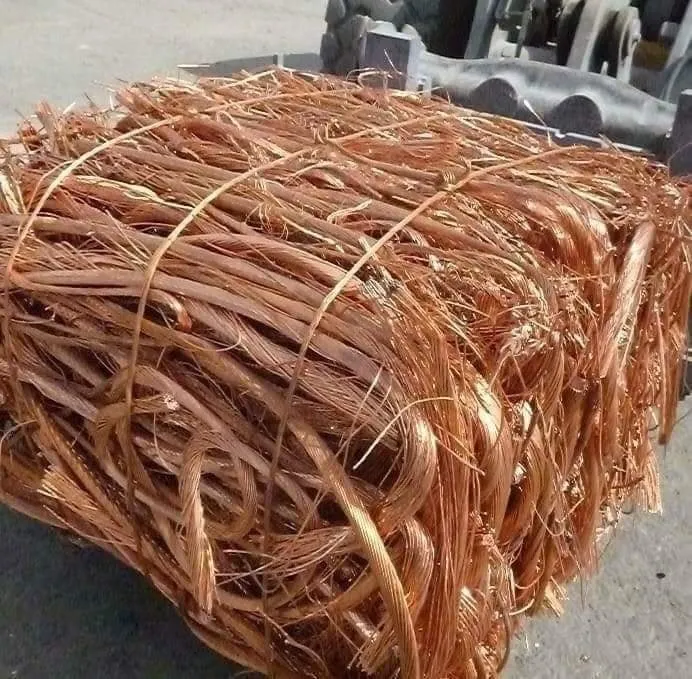
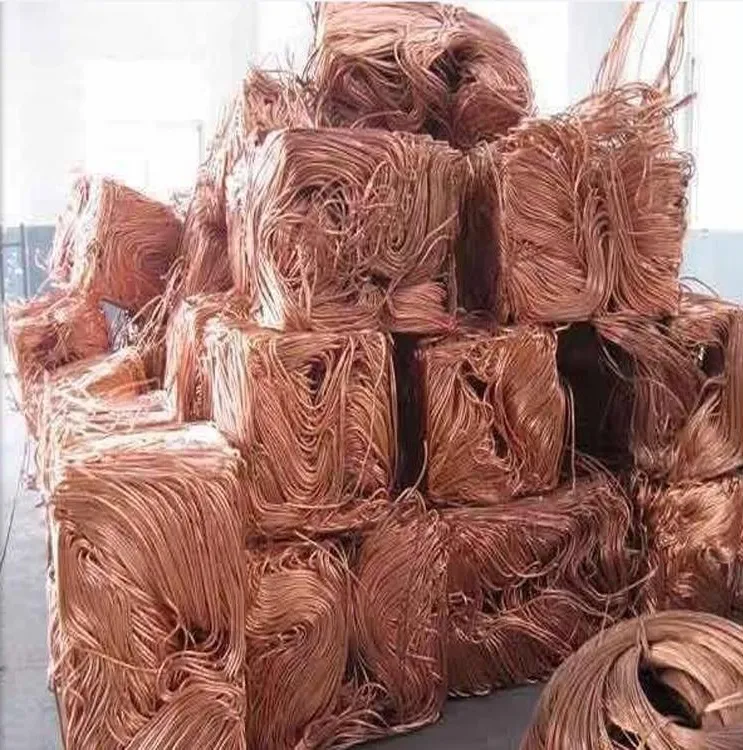
Copper wire for sale in Tanzania is one of the most searched commodity queries in East Africa right now.

And it makes complete sense.

Tanzania is growing fast. Construction projects are expanding. Telecommunications networks are being upgraded. And the Port of Dar es Salaam connects the country directly to buyers in Asia, Europe, and the Middle East.

If you are looking to buy copper wire — whether as scrap, bulk wholesale, or insulated wire — Tanzania is a market worth knowing well.


Why Tanzania Stands Out as a Copper Wire Source

Tanzania is not just another supplier market. It is a genuine trade hub.

Large volumes of copper wire scrap are generated every year from infrastructure development, building demolition, and end-of-life electrical systems. This creates a consistent, reliable supply for both local buyers and international importers.

Add to that the Port of Dar es Salaam — one of East Africa’s busiest shipping ports — and you have a market that can deliver copper wire to almost anywhere in the world efficiently and cost-effectively.

For traders and manufacturers looking to source copper wire in East Africa, Tanzania consistently delivers on price, volume, and logistics.


What Types of Copper Wire Are Available?

Not all copper wire is the same. Understanding the grades helps you buy smarter and negotiate better.

Bare Bright Copper Wire is the top grade. It is clean, uncoated, and free of any insulation or attachments. It commands the highest price — typically 85 to 95 percent of the London Metal Exchange (LME) copper spot price.

#1 and #2 Copper Wire Scrap covers wire with minor tarnishing or light surface coating. These are mid-grade options that are widely available and actively traded in both local and export markets.

Insulated Copper Wire Scrap is the most common form available in Tanzania. It comes from demolition sites, old buildings, and telecoms infrastructure. The price depends on how much copper is inside the cable — known as the copper recovery rate. Thick industrial cable can recover 65 to 70 percent copper. Thin telephone wire may only recover 30 percent.

Always know your grade before you agree to a price.


What Does Copper Wire Cost in Tanzania?

Copper wire prices in Tanzania follow the LME spot price — the global benchmark set daily in London in US dollars per tonne.

In 2025, with LME copper trading around $9,000 to $10,000 per metric tonne, bare bright copper wire typically fetches between $7.50 and $9.50 per kilogram at the exporter level.

One important point: always confirm whether your quote is FOB (Free on Board from Dar es Salaam) or CIF (Cost, Insurance, and Freight to your destination port). These are two very different prices. Mixing them up is one of the most common and costly mistakes new buyers make.


The Supplier That Buyers Trust: All American Metals Inc

When it comes to sourcing copper wire in Tanzania, one name stands out consistently — All American Metals Inc (allamericanmetals.com).

Operating under Ozzione Group Ltd, All American Metals brings over 17 years of experience in wholesale scrap metal export. They specialise in copper wire scrap, non-ferrous metals, and bulk export to international markets across Africa, Asia, and Europe.

What makes them reliable?

They are locally based in Tanzania with an active helpline at +255 793 597 415. They handle all export documentation professionally. And they are set up for both one-off spot purchases and long-term supply contracts.

For buyers new to the Tanzanian copper wire market, All American Metals is a verified, professionally structured starting point.


How to Buy Copper Wire Safely in Tanzania

A few simple steps protect you in this market.

First, verify your supplier. Ask for their business registration from Tanzania’s Business Registrations and Licensing Agency (BRELA). Any legitimate operator will provide this without hesitation.

Second, insist on independent inspection. For large shipments, use SGS or Bureau Veritas to verify grade, weight, and purity before payment. This small cost protects you from significant risk.

Third, use secure payment terms. A bank Letter of Credit is the industry standard for international copper wire transactions. Avoid advance wire transfers to unknown accounts — this is how most scrap metal fraud happens.

Follow these steps and you will avoid the pitfalls that catch out unprepared buyers every year.


Ready to Source Copper Wire in Tanzania?

The opportunity is real. The supply is there. And with the right supplier and the right knowledge, buying copper wire for sale in Tanzania is a straightforward, commercially rewarding process.

Start with a verified partner like All American Metals Inc at allamericanmetals.com, do your due diligence, and you are well positioned to source high-quality copper wire at competitive prices from one of East Africa’s most active commodity markets.

Copper Wire Scrap has been one of humanity’s most valuable metals for thousands of years — and in today’s world of electric vehicles, data infrastructure, and renewable energy, that value has never been higher. If you’re sitting on copper wire scrap, whether from a demolition project, an electrical upgrade, or industrial operations, you’re holding something genuinely worth pursuing the best deal for.

But navigating the copper scrap market isn’t always straightforward. Prices fluctuate. Grades matter more than most people realize. And the difference between a reliable buyer or supplier and a problematic one can cost you thousands of dollars.

This guide is designed to cut through the noise. Whether you’re a recycler, a contractor, an electrical engineer, or a trader looking to source or sell copper wire scrap at scale, you’ll find what you need here — from understanding price drivers to connecting with legitimate buyers, verifying suppliers, and navigating export requirements.


What Is Copper Wire Scrap and Why Does It Matter?

Copper wire scrap refers to any copper-based electrical wire or cable that has reached the end of its useful life and is collected for recycling or resale. This includes everything from stripped household wiring to large-gauge industrial cables, motor windings, communication cables, and transformer coils.

The significance of copper wire scrap extends well beyond individual transactions. Copper is infinitely recyclable without degradation of quality, and recycled copper requires up to 85% less energy to produce than virgin copper. According to the International Copper Association, copper recycling plays a critical role in meeting global demand, especially as the energy transition accelerates demand for copper in EV batteries, wind turbines, and solar installations.

For traders, recyclers, and industrial operators, copper wire scrap represents a reliable commodity market tied directly to global exchange benchmarks — particularly the London Metal Exchange (LME) copper price. Understanding how that connection works is the first step to getting a fair deal.


How Copper Wire Scrap Is Graded

Not all copper wire scrap is created equal. The grade of your scrap directly determines its price, and knowing the grading system before you approach a buyer puts you in a much stronger negotiating position.

Bare Bright Copper (Grade #1 Bare Bright) is the highest-value category. It consists of uncoated, unalloyed copper wire that is at least 1/16 inch in diameter and free of any attachments, solder, or insulation. Electricians often produce this grade after stripping wire on-site. It commands the highest payout per kilogram at any recycling facility.

#1 Copper Wire includes clean, uncoated wire that may have some minor tarnishing but no paint, oil, or insulation. Copper bus bars and clean copper tubing sometimes fall into this category as well.

#2 Copper Wire is somewhat mixed — it may include wire with minor coatings, light oxidation, or small amounts of attachments. The copper content is typically between 94% and 96%, and buyers discount accordingly.

Insulated Copper Wire is the most variable category. The payout depends on the percentage of copper versus the weight of the insulation (the “copper recovery rate”). Thin-gauge insulated wire, like Christmas lights or phone charger cables, may recover only 15–30% copper, while thick rubber-jacketed cable can recover 60–70%. Some facilities will strip the insulation themselves and buy by copper weight; others will quote a “whole cable” price that reflects the expected recovery.

Communication and Low-Grade Wire (sometimes called “#3 copper” or “extension cord wire”) includes mixed cables, Christmas light wire, and similar products. These fetch the lowest prices because of their low recovery rates.

Understanding which grade you have — or which grade a supplier is offering — is fundamental to any copper wire scrap transaction.


Copper Wire Scrap Prices: What’s Driving the Market in 2025?

Copper wire scrap prices are not set arbitrarily. They are tied to a network of global and local factors that every buyer and seller should understand.

The LME Benchmark

The London Metal Exchange (LME) sets the global reference price for copper, quoted in US dollars per metric tonne. Scrap copper prices at local recycling yards are typically calculated as a percentage of the LME cash price, discounted to reflect processing costs, transportation, and profit margins. Bare bright copper scrap often trades at 85–95% of the LME cash price, while lower grades trade at steeper discounts.

As of 2025, copper prices have remained elevated compared to historical averages, largely driven by robust demand from the energy transition — particularly EV manufacturing and grid infrastructure investment. Analysts at major commodities research firms have noted that structural demand growth is likely to keep prices elevated for the medium term, with supply-side constraints adding upward pressure.

Local Supply and Demand

Beyond the LME price, your local scrap market matters enormously. In regions with active manufacturing or construction, local recycling yards may compete aggressively for material, pushing local prices up. In areas with less competition, margins for buyers are wider, meaning sellers receive less.

Transportation and Processing Costs

If you’re dealing in bulk or shipping internationally, freight costs — whether FOB (Free on Board) or CIF (Cost, Insurance, and Freight) — materially affect the net return. A CIF price quoted by an exporter already includes shipping and insurance to the destination port, which makes comparison shopping between international suppliers easier.

Currency Fluctuations

For international buyers purchasing copper wire scrap from regions like Southeast Asia, South Asia, or Africa, currency exchange rates against the US dollar affect the true cost. Traders working across borders need to account for exchange rate risk when locking in pricing, especially for large consignments with longer lead times.


Where to Sell Copper Wire Scrap: Your Main Options

If you’re holding copper wire scrap and looking for the best return, you have several channels available — each with its own trade-offs.

Local Scrap Metal Recycling Yards

For most individuals and small contractors, local recycling centers are the most practical option. They offer immediate payment, no minimum quantity requirement, and straightforward transactions. The trade-off is that local yards offer lower prices than wholesale or export markets, since they need to cover their own margins.

To find a reputable copper wire scrap recycling center near you, the Institute of Scrap Recycling Industries (ISRI) maintains a directory of certified recycling facilities across North America and internationally. Certified facilities meet environmental and safety standards, which matters both ethically and legally for commercial sellers with large volumes.

When visiting a yard for the first time, bring ID (required for compliance with anti-theft regulations in most jurisdictions), sort your material by grade in advance, and ask how they weigh and grade — ideally, you can watch the process.

Scrap Brokers and Traders

For mid-volume sellers — contractors, electricians, demolition companies, or small manufacturers — scrap brokers can often offer better pricing than walk-in yards because they aggregate material and negotiate higher prices with processors. A good broker will also handle logistics, which reduces your operational burden.

The relationship matters here. A broker who knows your material stream can offer consistent pricing and faster pickups. For businesses generating ongoing copper wire scrap, establishing a regular arrangement with a reputable broker is often more profitable than selling spot.

Direct Export and International Buyers

For large-volume holders — typically businesses or trading companies with container-load quantities (typically 20 or 40 metric tonnes per 20-foot or 40-foot container) — direct export to international copper wire scrap buyers, particularly in Asia, can yield significantly higher net returns.

The major importing markets for copper wire scrap are China, South Korea, India, and increasingly Southeast Asian countries like Vietnam, Malaysia, and Thailand. These markets have large copper smelting and processing industries that actively seek high-quality scrap feedstock.

For those new to international trade, working through a registered export agent or freight forwarder is advisable. Export documentation requirements — including certificates of origin, packing lists, commercial invoices, and in some regions, environmental or trade compliance certificates — must be handled correctly to avoid customs delays or penalties.


How to Find Copper Wire Scrap Buyers: What to Look For

Whether you’re selling locally or internationally, the quality of your buyer relationship matters as much as the price offered. Here’s what experienced sellers look for.

Transparency in grading and weighing. A trustworthy buyer will show you how they’re grading your material and allow you to observe the weighing process. Disputes over grading are common in the scrap industry, and buyers who are secretive about their methodology are a red flag.

Verifiable business credentials. For domestic sales, check that the facility is licensed by your local environmental or regulatory authority. For international buyers, ask for company registration documents, bank references, and trade history. Reputable international buyers will often have third-party inspection reports available for previous shipments.

Clear payment terms. Payment in advance or via irrevocable Letter of Credit (LC) is standard for large international transactions. Be cautious of buyers requesting extended credit terms with no established relationship, or who offer prices far above market rates — both are associated with fraud in the commodities trading space.

References and track record. Ask for references from other sellers. For international deals, platforms like Kompass, Global Sources, or trade association directories can help verify that a buyer is an established, legitimate operator.


Copper Wire Scrap Suppliers: What Buyers Should Know

If you’re on the buy side — sourcing copper wire scrap for processing, manufacturing, or resale — supplier evaluation is critical. The copper scrap supply chain spans multiple countries and involves varying levels of quality control and regulatory compliance.

Evaluating Supplier Quality

The single most important factor is copper recovery rate. A supplier quoting a very attractive price per tonne for insulated wire scrap may actually be offering poorer value than a higher-priced competitor if the copper recovery rate is lower. Always request detailed specifications, including wire gauge, insulation type, and estimated copper percentage, before agreeing to pricing.

Request pre-shipment inspection reports from an independent inspection company such as SGS, Bureau Veritas, or Intertek. These reports verify quantity, quality, and grade before the material leaves the origin country — and they’re standard practice in professional international copper scrap trading.

Major Supply Regions

Europe is a significant source of high-quality copper wire scrap, particularly from industrial dismantling, construction demolition, and end-of-life electrical equipment. European suppliers generally offer well-sorted, graded material that meets stringent environmental regulations. Countries like Germany, the Netherlands, the United Kingdom, and Belgium are significant exporters.

Asia — including India, Southeast Asia, and parts of East Asia — offers large volumes of copper wire scrap from manufacturing operations and infrastructure development. Quality varies more widely than in Europe, making pre-shipment inspection particularly important for this region.

Africa is an emerging source market, with copper wire scrap generated from telecommunications infrastructure upgrades, building demolition, and mining operations. South Africa, in particular, has developed logistics infrastructure and established trading relationships with international buyers, making it an increasingly significant node in the global copper scrap supply chain.

North America generates substantial volumes of copper wire scrap from construction activity, electrical grid upgrades, and industrial operations. The material quality is generally high, and the regulatory environment is well-defined, making it a reliable source for international buyers.

Copper Wire Scrap Export Regulations

Export regulations for copper wire scrap vary significantly by country and are tightening in many jurisdictions as governments seek to prioritize domestic recycling capacity and prevent illegal metal export.

In many countries, copper wire scrap exports require licensing. The specific requirements differ — some countries require an export permit for any scrap metal shipment above a certain value or weight threshold; others require proof that the material cannot be processed domestically. Violations can result in confiscation of goods, financial penalties, and in serious cases, criminal liability.

The Basel Convention governs the international movement of hazardous wastes, and while clean copper scrap is not classified as hazardous, some forms of mixed or contaminated cable may fall under regulatory scrutiny depending on the countries involved. Both exporters and importers have responsibilities under applicable trade law. For authoritative information on export regulations in your country, consult your national customs authority or trade ministry.


Copper Insulated Wire Scrap: Is It Worth Stripping?

One of the most common questions among sellers with insulated copper wire is whether they should strip the insulation before selling. The answer depends on several variables.

Stripping wire by hand is time-consuming and, for very thin gauge wire, often not economically worthwhile given the labor involved. For thick, rubber-jacketed cable — such as the heavy wire used in industrial equipment or power distribution — the copper recovery rate is high enough that stripping can meaningfully increase your payout, especially if you’re working with significant quantities.

Mechanical wire strippers are available for contractors and recyclers who regularly process insulated wire. For high-volume operations, the investment in a mechanical stripper pays back quickly.

However, burning insulation off copper wire is illegal in most jurisdictions and creates toxic dioxin emissions. Any facility or individual using burning as a stripping method is operating outside the law — and buying from such sources creates legal and reputational risk for buyers in the supply chain.


Copper Wire Scrap Recycling: The Environmental and Economic Case

Copper recycling is one of the most environmentally efficient forms of metal recovery available. The energy savings compared to primary copper production are substantial — recycling requires roughly 15% of the energy needed to mine and smelt virgin copper. The carbon emissions reduction is similarly dramatic.

From an economic standpoint, a functioning copper wire scrap market reduces dependency on primary copper mining, which can be geographically concentrated and subject to political risk. Countries and industries that invest in efficient copper recycling infrastructure gain supply chain resilience that pure primary metal dependency cannot provide.

For businesses generating copper wire scrap — whether as a byproduct of operations or through end-of-life equipment — implementing a systematic collection and sorting program is both environmentally responsible and financially sensible. Even relatively small volumes, when consistently collected and properly sorted, add up to meaningful revenue over time.


FAQ: Copper Wire Scrap — Common Questions Answered

What is the current price of copper wire scrap per kilogram?

Copper wire scrap prices change daily in line with the London Metal Exchange (LME) copper spot price. As a general guide, bare bright copper wire scrap trades at approximately 85–95% of the LME cash price. In 2025, with LME copper prices in the range of $9,000–$10,000 per metric tonne, bare bright scrap typically fetches $7.50–$9.50 per kilogram at the recycler level, though local market conditions, transport costs, and grade variations will affect the actual price you receive. Always check the current LME price and ask your local buyer for their current payout rate before committing to a sale.

Where can I find copper wire scrap buyers near me?

The most reliable way to find verified local buyers is through the Institute of Scrap Recycling Industries (ISRI) member directory or your country’s equivalent national recycling association. You can also use recycling facility locator tools provided by regional environmental agencies. For large volumes, scrap brokers with regional networks can often offer competitive pricing and pickup services.

What grades of copper wire scrap are there?

The main grades are Bare Bright (#1 Bare Bright), #1 Copper Wire, #2 Copper Wire, Insulated Copper Wire (various subcategories based on recovery rate), and low-grade communication or extension cord wire. Bare Bright commands the highest price; low-grade insulated wire commands the lowest. Understanding your grade before approaching a buyer is key to knowing whether you’re receiving a fair offer.

Is stripping copper wire before selling worth it?

For thick, heavily insulated wire, stripping by hand or with a mechanical stripper can increase your payout significantly — sometimes doubling the per-kilogram price you receive. For thin-gauge wire, the labor cost often outweighs the gain. Burning wire to remove insulation is illegal in most countries and environmentally harmful; never use this method.

What documents are required to export copper wire scrap internationally?

Requirements vary by country, but most international shipments of copper wire scrap require a commercial invoice, packing list, certificate of origin, and in many cases, a scrap metal export license issued by the relevant national authority. Receiving countries may also require an import license and pre-shipment inspection certificate. Always verify requirements with your national customs authority or a licensed freight forwarder before arranging a shipment.

How do I verify that an international copper wire scrap buyer or supplier is legitimate?

Request company registration documents, bank references, and references from previous trading partners. For buyers, ask for trade history or evidence of previous import transactions. For suppliers, request pre-shipment inspection reports from independent inspection agencies (SGS, Bureau Veritas, Intertek). Be cautious of parties offering prices significantly above market rates, requesting unusual payment terms, or unable to provide verifiable business documentation.

What is a CIF price for copper wire scrap?

CIF stands for Cost, Insurance, and Freight. A CIF price means the seller is quoting a price that includes the cost of the goods, shipping insurance, and freight to the named destination port. This is different from an FOB (Free on Board) price, where the buyer is responsible for shipping from the origin port. When comparing international offers, make sure you are comparing like-for-like — either both CIF or both FOB to the same destination.

Can I sell copper wire scrap if I’m not a registered business?

In many jurisdictions, individuals can sell copper wire scrap to registered recycling facilities. However, most countries have anti-theft legislation requiring sellers to provide identification and, in some cases, sign declarations confirming legal ownership of the material. Some facilities are restricted to commercial sellers only. Check your local regulations before attempting to sell large volumes as an individual.


Building a Reliable Copper Wire Scrap Supply or Sales Strategy

Whether you’re a seller looking to maximize your return on copper wire scrap, or a buyer seeking a consistent, quality supply source, the fundamentals are the same: understand the market, know your grades, verify your partners, and manage logistics professionally.

The copper scrap market rewards those who approach it systematically. Sellers who sort their material by grade, time their sales with market conditions, and build relationships with reliable buyers consistently outperform those who treat copper scrap as a last-minute transaction. Buyers who invest in supplier verification, pre-shipment inspection, and long-term sourcing relationships reduce quality risk and supply chain disruption.

For anyone operating at significant scale — whether selling containerloads internationally or sourcing material for a processing operation — the expertise of a licensed freight forwarder, a reputable inspection agency, and ideally a commodities-experienced legal advisor is worth the investment. The copper scrap market is lucrative, but it is also a space where due diligence separates successful traders from those who learn expensive lessons.


Conclusion

Copper wire scrap is one of the most valuable and actively traded commodities in the global recycling market. Understanding how prices are set, how grading works, where to find reputable buyers or suppliers, and how to navigate export regulations gives you a meaningful advantage — whether you’re selling a truckload from a renovation project or managing a large-scale international trading operation.

The market in 2025 remains favorable for sellers, driven by sustained industrial demand and the accelerating energy transition. For buyers, the focus should be on quality assurance and supply chain reliability as raw material demand continues to grow. In both cases, knowledge and due diligence are the most valuable tools you have.
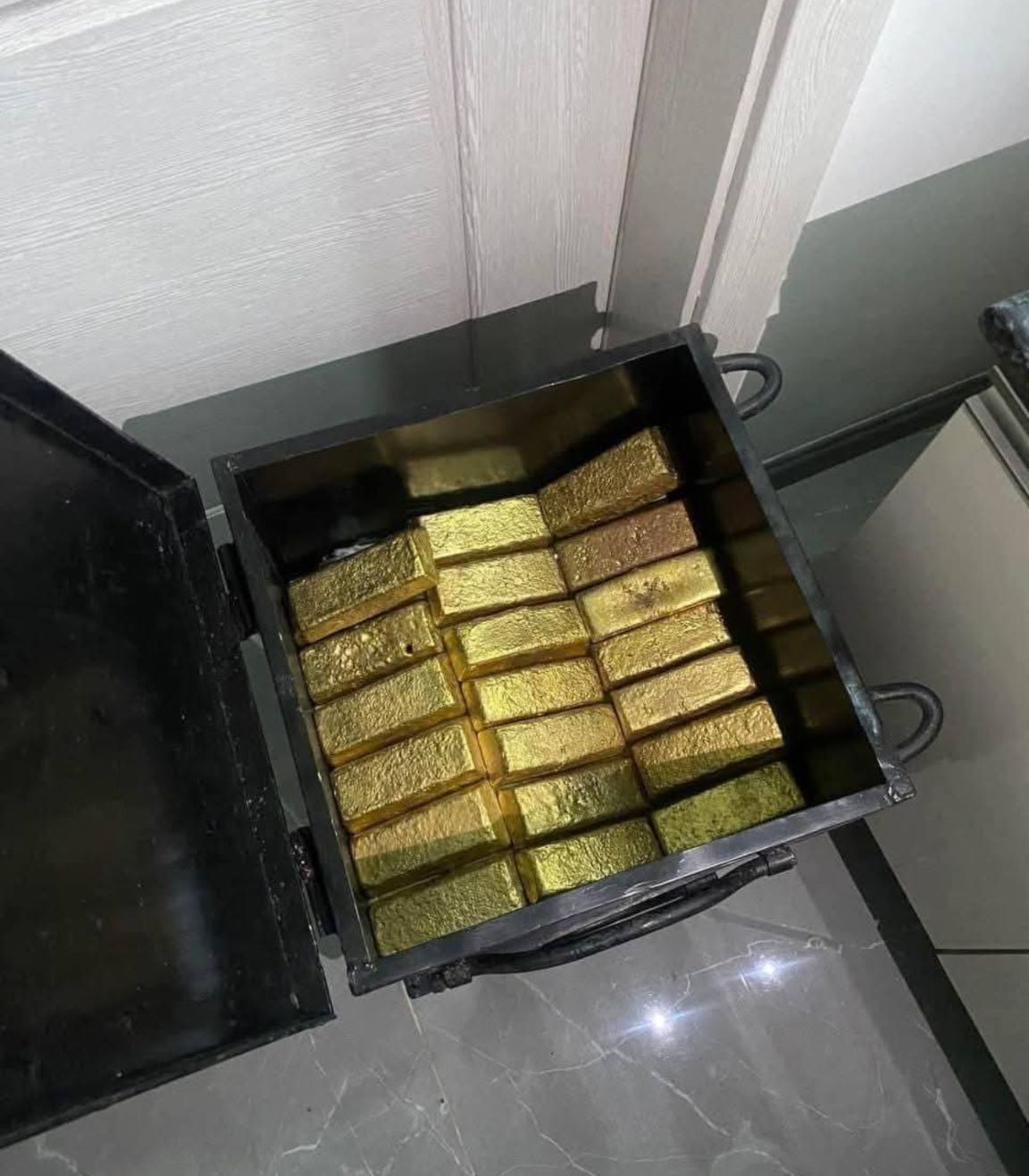
Gold Bars for Sale Near Me: Finding Local Opportunities to Invest in Precious Metals

If you’ve been searching for gold bars for sale near me, you’re likely looking for a convenient and trustworthy way to invest in physical gold close to your location. Buying gold bars locally offers unique benefits, such as the ability to inspect the product in person, avoid shipping delays, and often gain personalized advice from experts. Whether you’re new to precious metals or an experienced investor, finding gold bars nearby can simplify your purchase process and provide peace of mind.


Why Look for Gold Bars for Sale Near Me?

Buying gold bars locally has several advantages:

  • Immediate Possession: You can take physical delivery of your gold without waiting for shipping.
  • Personalized Service: Local dealers often provide one-on-one consultations to help you choose the right gold bars for your goals.
  • Trust and Transparency: Meeting face-to-face builds confidence and reduces the risk of fraud.
  • Support Local Economy: Purchasing from nearby businesses helps support your community.

Where to Find Gold Bars for Sale Near Me

To find gold bars near you, consider these options:

  1. Local Precious Metals Dealers: Many cities have specialized bullion dealers who sell gold bars and coins.
  2. Jewelry Stores: Some reputable jewelers also offer investment-grade gold bars.
  3. Pawn Shops: Certain pawnshops stock gold bars, though prices and authenticity should be carefully verified.
  4. Coin Shops: Coin dealers often carry gold bullion bars alongside collectible coins.

What to Look for When Buying Gold Bars Locally

When you visit a local dealer, keep these tips in mind:

  • Verify Authenticity: Ask for assay certificates and check that bars come from trusted refiners like PAMP Suisse or the Perth Mint.
  • Compare Prices: Even locally, prices vary. Check the spot price and premiums charged.
  • Inspect the Bars: Examine the packaging, markings, and condition of the gold bars.
  • Understand Buyback Policies: Know if the dealer offers a fair buyback or trade-in option in the future.

Additional Considerations

Even if you find great deals locally, it’s wise to:

  • Research the Dealer: Read reviews and ask for references.
  • Plan for Storage: Ensure you have a secure place to keep your gold, such as a home safe or bank vault.
  • Understand Tax Implications: Local laws may affect buying and selling precious metals.

Conclusion

In summary, gold bars for sale near me is a popular search for good reason: buying gold locally offers convenience, transparency, and personalized service. By exploring local bullion dealers, jewelry stores, and coin shops, you can find high-quality gold bars to diversify your portfolio and protect your wealth. Always verify authenticity, compare prices, and consider storage options to make informed and confident purchases.

Gold Bars for Sale Online: Convenient, Secure, and Smart Investment

Gold bars for sale online have made investing in precious metals more accessible than ever. With just a few clicks, investors can purchase high-purity gold from trusted retailers and have it shipped securely to their homes or vaults. As inflation rises and global markets fluctuate, more individuals turn to gold as a hedge against economic uncertainty—and online platforms offer the convenience and flexibility that modern investors demand.


Why Buy Gold Bars Online?

Buying gold online offers numerous advantages over traditional, in-person purchases:

  • Convenience: You can compare prices, sizes, and brands from multiple dealers without leaving your home.
  • Wide Selection: Online retailers typically offer a broader inventory, including 1-gram, 1-ounce, 10-ounce, and 1-kilogram bars.
  • Competitive Pricing: Many online dealers offer real-time pricing tied to the global gold spot market, helping buyers get fair deals.
  • Discreet Delivery: Orders are usually shipped fully insured, in unmarked packaging, ensuring both security and privacy.

Trusted Sites with Gold Bars for Sale Online

If you’re planning to buy gold bars online, make sure you purchase from reputable sources. Leading online bullion dealers include:

  • JM Bullion
  • APMEX
  • SD Bullion
  • Kitco
  • Money Metals Exchange

These platforms provide detailed product information, customer reviews, and transparent pricing. Most also offer live chat support and buy-back options for added convenience.


What to Look for When Buying Online

Before completing a purchase, consider the following factors:

  • Purity and Weight: Look for .999 or .9999 fine gold bars, which indicate 99.9% or 99.99% gold content.
  • Refinery or Mint Certification: Reputable brands include PAMP Suisse, Valcambi, Perth Mint, and Credit Suisse.
  • Assay Certificate: This document verifies the bar’s authenticity, weight, and purity.
  • Storage Options: Some dealers offer secure vaulting services if you prefer not to store gold at home.

Is It Safe to Buy Gold Bars Online?

Yes—provided you use well-known, verified retailers. These companies offer encrypted payment gateways, insured shipping, and satisfaction guarantees. Many also provide tracking and signature confirmation to ensure safe delivery.

However, always research the seller, read customer reviews, and avoid suspiciously low prices, which can signal counterfeit products.


Conclusion

In conclusion, gold bars for sale online provide a simple, secure, and flexible way to invest in physical gold. Whether you’re a first-time buyer or a seasoned investor, purchasing online allows you to access global markets, compare options, and safeguard your wealth—all from the comfort of your home. By choosing reputable dealers and understanding the basics of bullion investment, you can make confident, informed decisions in the world of gold.

Gold Bullion Bars for Sale: A Trusted Asset in Uncertain Times

Gold bullion bars for sale continue to attract investors seeking stability, security, and long-term value. As global economies face rising inflation, market volatility, and geopolitical tension, more individuals are turning to physical gold as a hedge against uncertainty. Gold bullion bars, known for their purity and standardization, provide a reliable way to preserve and grow wealth.


What Are Gold Bullion Bars?

Gold bullion bars are refined, investment-grade pieces of pure gold, typically stamped with key information such as weight, purity (usually .999 or .9999 fine), and the mint or refinery. Unlike gold jewelry or coins, bullion bars carry minimal aesthetic markup, allowing investors to focus purely on the metal’s intrinsic value.

Bars are available in various sizes, from small 1-gram options to large 1-kilogram blocks. This range makes it easy for both first-time investors and seasoned buyers to participate based on their budget and strategy.


Why Buy Gold Bullion Bars?

There are several compelling reasons to consider gold bullion bars for sale:

  • Wealth Preservation: Gold maintains its purchasing power over time, making it ideal for safeguarding savings.
  • Portfolio Diversification: Adding physical gold helps balance risk in investment portfolios that are heavy in stocks or currencies.
  • High Liquidity: Gold bullion is widely recognized and easy to sell globally.
  • No Counterparty Risk: Unlike stocks or bonds, physical gold doesn’t rely on an issuer’s performance.

In addition, many investors prefer bars over coins due to their lower premiums per gram of gold.


Where to Find Gold Bullion Bars for Sale

You can purchase gold bullion bars from a variety of sources:

  1. Reputable Online Dealers: Trusted websites like JM Bullion, APMEX, and SD Bullion offer secure transactions and insured delivery.
  2. Local Bullion Dealers: These offer face-to-face transactions and immediate possession.
  3. Banks and Mints: In some countries, national banks or mints also sell gold directly to the public.

When buying, always check for:

  • Mint or refinery certification (e.g., PAMP Suisse, Valcambi, Perth Mint)
  • Assay card or certificate of authenticity
  • Competitive pricing relative to spot gold

Things to Consider Before Buying

Before purchasing gold bullion bars, take the following into account:

  • Storage: Decide whether to store at home, in a bank safe deposit box, or with a professional vaulting service.
  • Insurance: Insure your holdings to protect against loss or theft.
  • Taxes and Regulations: Be aware of your local laws regarding buying, selling, and declaring gold.

Conclusion

In conclusion, gold bullion bars for sale offer a tangible, time-tested method for securing your financial future. Whether you’re protecting your wealth against inflation or diversifying your assets, investing in gold bars provides stability in an ever-changing economic landscape. Choose reputable dealers, understand the product specifications, and store your investment securely for peace of mind and lasting value.

Costco Gold Bars for Sale: A Surprising Investment Opportunity

Costco gold bars for sale are attracting attention from both investors and everyday shoppers. Although Costco is famous for groceries and bulk products, it now offers investment-grade gold bars online. During times of inflation and economic uncertainty, many people turn to gold for financial security. Costco has tapped into this demand by making gold accessible and trusted.


Why Are Costco Gold Bars So Popular?

Costco’s gold bars frequently sell out within hours of being listed online. Several factors explain this high demand.

  • First, customers trust Costco for its reputation, customer service, and product quality.
  • Second, the retailer offers competitive prices that often rival traditional bullion dealers.
  • Moreover, only Costco members can access gold listings, adding exclusivity and a sense of safety.

What Kind of Gold Bars Does Costco Sell?

Costco typically lists 1-ounce, 24-karat gold bars with a .9999 purity rating (99.99% fine). These bars come from respected global refineries such as:

  • PAMP Suisse
  • Rand Refinery

Each gold bar includes an individual serial number and assay certificate. These features verify authenticity and provide peace of mind for buyers. Costco packages them securely and ships them directly to members, fully insured.


How to Buy Costco Gold Bars

If you want to purchase gold bars from Costco, follow these steps:

  1. Become a Member: Only Costco members can view or buy gold listings.
  2. Visit the Website: Costco sells gold bars online only—not in warehouse stores.
  3. Act Fast: New stock sells out quickly, so refresh listings often.
  4. Use a Credit Card: Complete your order through a secure checkout with insured shipping.

Are Costco Gold Bars a Good Investment?

Gold remains a classic investment option during uncertain times. It stores value well and diversifies your portfolio. Buying from Costco offers a convenient and trustworthy entry point into precious metals.

Still, keep these points in mind:

  • Expect a Premium: Like all retail gold, these bars cost more than the spot price due to minting and logistics.
  • Plan for Storage: You’ll need a safe or deposit box to store physical gold securely.

Despite those factors, the advantages often outweigh the drawbacks—especially for new investors.


Conclusion

In conclusion, Costco gold bars for sale offer a rare mix of convenience, credibility, and value. Costco gives members access to investment-grade gold from top refiners at competitive rates. Whether you’re a first-time buyer or an experienced investor, purchasing gold bars through Costco provides a simple and secure way to invest in precious metals during uncertain times.

1 Gram Pure Gold Bar for Sale Bullion Trading: A Smart Investment Choice

1 gram pure gold bar for sale bullion trading has become increasingly popular among investors and collectors seeking a convenient and affordable way to enter the precious metals market. Gold, known for its timeless value and status as a safe-haven asset, especially attracts attention during periods of economic uncertainty, inflation, or currency fluctuations. Therefore, investing in small gold bars like the 1-gram size offers flexibility, liquidity, and ease of storage, making it an ideal choice for both beginners and seasoned traders.1 gram pure gold bar for sale bullion trading


What Is a 1 Gram Pure Gold Bar?

A 1 gram pure gold bar consists of 99.99% pure gold, often referred to as “four nines” fine. It is one of the smallest denominations available in gold bullion, typically stamped with its weight, purity, and sometimes a serial number or refinery mark. Despite its small size, the bar carries the intrinsic value of gold and can be traded globally.


Advantages of Buying a 1 Gram Pure Gold Bar

1. Affordability and Accessibility

Because of its small size, a 1 gram pure gold bar is more affordable than larger bars or coins. Consequently, it allows investors with limited capital to start building a precious metals portfolio.

2. Easy to Store and Transport

In addition, its compact size makes it simple to store securely at home or in a safe deposit box. Moreover, it is easy to transport, which is convenient for traders or those who may want to physically move their assets.

3. High Liquidity

Furthermore, these small gold bars are widely recognized and accepted by dealers and buyers worldwide. This means you can quickly sell or trade them without difficulty, often at competitive prices.

4. Ideal for Bullion Trading

For bullion trading, the 1 gram pure gold bar offers flexibility since you can buy or sell in small increments. Thus, you can tailor investments to market conditions or personal financial goals.


How to Buy a 1 Gram Pure Gold Bar for Sale Bullion Trading

When purchasing a 1 gram pure gold bar, consider the following tips:

  • Buy from reputable dealers: Always ensure you purchase from trusted sources with transparent pricing and authentication.
  • Check for certifications: Bars with serial numbers and assay certificates guarantee purity and authenticity.
  • Compare prices: Because prices can vary slightly between sellers, always compare to get the best deal.
  • Understand premiums: Keep in mind that small gold bars often carry higher premiums over spot gold prices due to manufacturing and packaging costs.

Conclusion

In conclusion, a 1 gram pure gold bar for sale bullion trading offers an accessible, liquid, and convenient way to invest in gold. Whether you are beginning your precious metals journey or adding to an existing portfolio, these small bars provide flexibility and security. By choosing certified bars from reputable dealers, you can confidently buy, sell, or trade gold bullion in today’s dynamic market.

Copper Cable Wire Scrap: A Valuable Resource in the Recycling Industry

Copper cable wire scrap plays a significant role in the metal recycling industry. As one of the most widely used materials in electrical wiring, telecommunications, and industrial applications, copper cable scrap remains in high demand due to its excellent conductivity and recyclability. Therefore, whether you are a recycler, contractor, or individual looking to sell scrap metal, understanding the value and market for copper cable wire scrap can help you get the best returns.


What Is Copper Cable Wire Scraps?

Copper cable wire scraps refers to discarded or unused copper wiring removed from electrical cables, power lines, appliances, or construction sites. It often includes insulated or bare copper wires and cables that are no longer functional but still contain valuable copper metal.

Copper cable wire scraps can come in various forms, such as:

  • Insulated copper cable (with plastic or rubber coating)
  • Bare copper wire (stripped of insulation)
  • Coaxial cables (used in telecommunications)
  • Power cables (used in high-voltage transmission)

Because of this variety, the scrap differs in value and recycling methods.


Why Is Copper Cable Wire Scrap Valuable?

Copper is one of the most valuable non-ferrous metals due to its high conductivity, corrosion resistance, and durability. Moreover, recycling copper cable wire scrap reduces the need for mining new copper, saving energy and minimizing environmental impact.

The value of copper cable wire scrap depends largely on:

  • The purity and grade of copper in the cable
  • Whether the wire is insulated or bare
  • Current global copper market prices

Typically, bare copper wire commands a higher price than insulated wire because the insulation must be removed during processing.


Factors Affecting Copper Cable Wire Scrap Price

Several factors influence the price of copper cable wire scraps:

  1. Copper Content: The percentage of copper in the cable affects its price. For example, thicker cables with more copper will fetch higher prices.
  2. Condition of the Scrap: Clean, sorted scrap without contaminants is valued higher.
  3. Global Copper Market: International copper prices fluctuate due to supply and demand, geopolitical events, and industrial activity.
  4. Local Demand and Supply: Regional recycling centers and scrap yards set prices based on local market conditions.
  5. Processing Costs: Removing insulation and preparing scrap wire for recycling impacts the final payout.

Therefore, sellers should consider these aspects before selling their scrap.


Tips for Selling Copper Cable Wire Scraps

To maximize returns, follow these practical tips:

  • Strip insulation when possible: Removing insulation increases scrap value.
  • Sort by grade: Separate bare copper from insulated or mixed cables for better pricing.
  • Clean your scrap: Remove dirt and other metals to improve value.
  • Compare prices: Check rates from multiple scrap yards before selling.
  • Stay updated: Monitor copper prices regularly to sell when the market is favorable.

By doing so, you enhance your chances of receiving the best offers.


Conclusion

In conclusion, copper cable wire scraps remains a highly valuable resource in metal recycling. Understanding its types, value drivers, and market conditions helps sellers optimize profits while contributing to sustainable practices. Whether you’re a small-scale collector or a large recycler, staying informed about copper cable wire scraps pricing and preparation can significantly enhance your earnings.


Copper Wire Price Scrap: Understanding Market Dynamics and Value

Copper wire price scrap is a key concern for recyclers, contractors, and businesses dealing with metal salvage. Since copper is prized for its excellent conductivity and durability, it remains widely used in electrical wiring, electronics, and construction. Therefore, scrap copper wire forms a significant part of the global recycling market. Tracking the copper wire price scrap not only helps sellers maximize returns but also allows buyers to make cost-effective decisions.


What Influences Copper Wire Price Scrap?

Several factors influence the copper wire price scrap, causing it to fluctuate regularly:

1. Global Copper Market

First and foremost, copper trades on international commodity markets. Consequently, its price largely depends on global supply and demand. For instance, increased industrial activity or infrastructure projects worldwide tend to boost copper prices, which in turn raises scrap wire values.

2. Grade and Purity

Moreover, copper wire scrap is categorized into different grades based on purity and condition:

  • Bare Bright Copper Wire: This is clean, uncoated, and unalloyed wire that fetches the highest price.
  • #1 Copper Wire: Slightly tarnished but still free of insulation.
  • #2 Copper Wire: May include coatings, oxidation, or solder, which lowers the price.
  • Insulated Copper Wire: Requires stripping insulation, resulting in lower rates.

As a result, the cleaner and purer the copper, the higher the price it commands.

3. Supply and Demand

Furthermore, the balance of supply and demand plays a significant role. When demand for copper rises, scrap prices typically increase. Conversely, if the market has an oversupply of scrap copper wire, prices may fall.

4. Energy and Processing Costs

In addition, recycling copper involves energy-intensive processes such as stripping insulation and melting. Therefore, rising energy prices can cause scrap buyers to reduce their offers in order to cover higher costs.


How to Maximize Your Earnings

To get the best value for your copper wire scrap, consider the following tips:

  • Strip insulation: Removing plastic or rubber insulation significantly increases scrap value.
  • Sort wire by grade: Separating bare bright copper from lower grades improves pricing accuracy.
  • Monitor market prices: Track copper commodity prices regularly and sell when prices peak.
  • Shop around: Compare offers from different scrap yards or recyclers to find the best deal.

Conclusion

In conclusion, the copper wire price scrap fluctuates based on global copper prices, scrap quality, and market dynamics. By understanding these factors and preparing your scrap properly, you can maximize profits and navigate the scrap metal market more effectively. Whether you recycle a small batch or large quantities, staying informed about current prices is essential for success.

Insulated Copper Wire Scrap Price: What You Need to Know

Insulated copper wire scrap price is an important factor for anyone involved in the recycling industry, electrical work, or construction. As one of the most commonly recycled materials, insulated copper wire—used in everything from power lines to household electronics—has consistent demand. However, its pricing can vary widely based on several conditions, including copper content, insulation type, and current market trends.

Understanding how insulated copper wire scrap is valued and what affects its price helps sellers and buyers make smarter, more profitable decisions.


What Is Insulated Copper Wire Scrap?

Insulated copper wire scrap refers to used copper wire that still has its plastic, rubber, or fabric insulation. This wire comes from electrical wiring, machinery, electronics, and building infrastructure. Since the insulation must be removed during the recycling process, insulated wire usually fetches a lower price than bare copper wire. However, the value remains substantial, especially when copper prices are high.

There are various types of insulated copper wire, including:

  • Household wire (Romex)
  • Communication cable (Cat 5, Cat 6)
  • Heavy-duty power cable
  • Appliance cords

Each type contains different amounts of copper and insulation, which affects the rate recyclers are willing to pay.


Factors That Affect Insulated Copper Wire Scrap Price

Several key factors influence the insulated copper wire scrap price:

1. Copper Content

The most significant factor is how much copper is actually inside the wire. For instance, thick, multi-strand wires have more copper than thin communication cables. The more copper a wire contains by weight, the higher its scrap value.

2. Type of Insulation

Wires with thick or multiple layers of insulation require more processing, which lowers their resale value. Conversely, wire with thin insulation is easier and cheaper to recycle, leading to higher prices.

3. Market Copper Prices

The global copper market has a direct impact on scrap wire pricing. As copper demand rises, such as during times of economic growth or infrastructure investment, scrap prices also increase. When copper prices drop, scrap wire follows the same trend.

4. Processing Costs

Recycling centers factor in the cost of stripping insulation when determining their payout. If labor or energy costs rise, it can reduce the amount they offer for insulated wire scrap.

5. Quantity and Grade

Large volumes of sorted, high-grade insulated wire often attract better rates. Mixed loads or unsorted wire typically receive lower prices.


Tips to Get the Best Price

To maximize your earnings from insulated copper wire scrap:

  • Sort your wire by type and thickness before selling.
  • Strip the insulation if possible—bare copper sells at a much higher rate.
  • Monitor copper market trends to sell when prices are high.
  • Get quotes from multiple recycling centers to compare offers.

Conclusion

The insulated copper wire scrap price is influenced by multiple factors, including copper content, insulation type, and global copper market trends. Although it usually sells for less than bare copper, it still holds significant value—especially when prepared and sorted properly. By staying informed and optimizing your recycling strategy, you can ensure you get the best possible return from your insulated copper wire scrap.

Request Quote