Copper Wire Scrap has been one of humanity’s most valuable metals for thousands of years — and in today’s world of electric vehicles, data infrastructure, and renewable energy, that value has never been higher. If you’re sitting on copper wire scrap, whether from a demolition project, an electrical upgrade, or industrial operations, you’re holding something genuinely worth pursuing the best deal for.
But navigating the copper scrap market isn’t always straightforward. Prices fluctuate. Grades matter more than most people realize. And the difference between a reliable buyer or supplier and a problematic one can cost you thousands of dollars.
This guide is designed to cut through the noise. Whether you’re a recycler, a contractor, an electrical engineer, or a trader looking to source or sell copper wire scrap at scale, you’ll find what you need here — from understanding price drivers to connecting with legitimate buyers, verifying suppliers, and navigating export requirements.
What Is Copper Wire Scrap and Why Does It Matter?
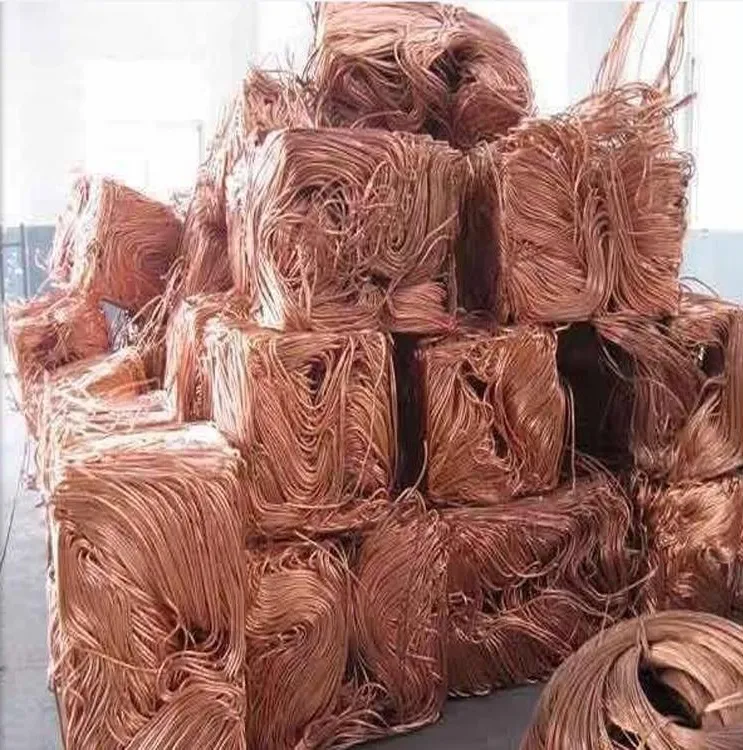
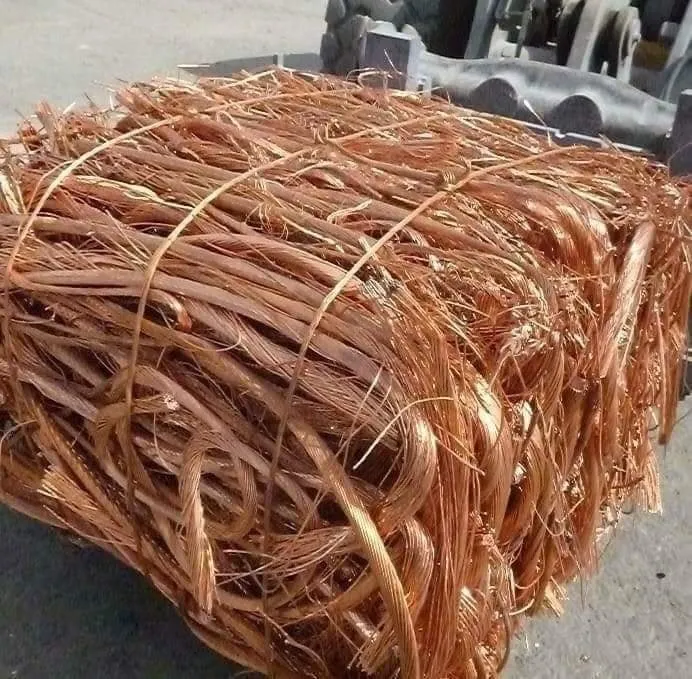
Copper wire scrap refers to any copper-based electrical wire or cable that has reached the end of its useful life and is collected for recycling or resale. This includes everything from stripped household wiring to large-gauge industrial cables, motor windings, communication cables, and transformer coils.
The significance of copper wire scrap extends well beyond individual transactions. Copper is infinitely recyclable without degradation of quality, and recycled copper requires up to 85% less energy to produce than virgin copper. According to the International Copper Association, copper recycling plays a critical role in meeting global demand, especially as the energy transition accelerates demand for copper in EV batteries, wind turbines, and solar installations.
For traders, recyclers, and industrial operators, copper wire scrap represents a reliable commodity market tied directly to global exchange benchmarks — particularly the London Metal Exchange (LME) copper price. Understanding how that connection works is the first step to getting a fair deal.
How Copper Wire Scrap Is Graded
Not all copper wire scrap is created equal. The grade of your scrap directly determines its price, and knowing the grading system before you approach a buyer puts you in a much stronger negotiating position.
Bare Bright Copper (Grade #1 Bare Bright) is the highest-value category. It consists of uncoated, unalloyed copper wire that is at least 1/16 inch in diameter and free of any attachments, solder, or insulation. Electricians often produce this grade after stripping wire on-site. It commands the highest payout per kilogram at any recycling facility.
#1 Copper Wire includes clean, uncoated wire that may have some minor tarnishing but no paint, oil, or insulation. Copper bus bars and clean copper tubing sometimes fall into this category as well.
#2 Copper Wire is somewhat mixed — it may include wire with minor coatings, light oxidation, or small amounts of attachments. The copper content is typically between 94% and 96%, and buyers discount accordingly.
Insulated Copper Wire is the most variable category. The payout depends on the percentage of copper versus the weight of the insulation (the “copper recovery rate”). Thin-gauge insulated wire, like Christmas lights or phone charger cables, may recover only 15–30% copper, while thick rubber-jacketed cable can recover 60–70%. Some facilities will strip the insulation themselves and buy by copper weight; others will quote a “whole cable” price that reflects the expected recovery.
Communication and Low-Grade Wire (sometimes called “#3 copper” or “extension cord wire”) includes mixed cables, Christmas light wire, and similar products. These fetch the lowest prices because of their low recovery rates.
Understanding which grade you have — or which grade a supplier is offering — is fundamental to any copper wire scrap transaction.
Copper Wire Scrap Prices: What’s Driving the Market in 2025?
Copper wire scrap prices are not set arbitrarily. They are tied to a network of global and local factors that every buyer and seller should understand.
The LME Benchmark
The London Metal Exchange (LME) sets the global reference price for copper, quoted in US dollars per metric tonne. Scrap copper prices at local recycling yards are typically calculated as a percentage of the LME cash price, discounted to reflect processing costs, transportation, and profit margins. Bare bright copper scrap often trades at 85–95% of the LME cash price, while lower grades trade at steeper discounts.
As of 2025, copper prices have remained elevated compared to historical averages, largely driven by robust demand from the energy transition — particularly EV manufacturing and grid infrastructure investment. Analysts at major commodities research firms have noted that structural demand growth is likely to keep prices elevated for the medium term, with supply-side constraints adding upward pressure.
Local Supply and Demand
Beyond the LME price, your local scrap market matters enormously. In regions with active manufacturing or construction, local recycling yards may compete aggressively for material, pushing local prices up. In areas with less competition, margins for buyers are wider, meaning sellers receive less.
Transportation and Processing Costs
If you’re dealing in bulk or shipping internationally, freight costs — whether FOB (Free on Board) or CIF (Cost, Insurance, and Freight) — materially affect the net return. A CIF price quoted by an exporter already includes shipping and insurance to the destination port, which makes comparison shopping between international suppliers easier.
Currency Fluctuations
For international buyers purchasing copper wire scrap from regions like Southeast Asia, South Asia, or Africa, currency exchange rates against the US dollar affect the true cost. Traders working across borders need to account for exchange rate risk when locking in pricing, especially for large consignments with longer lead times.
Where to Sell Copper Wire Scrap: Your Main Options
If you’re holding copper wire scrap and looking for the best return, you have several channels available — each with its own trade-offs.
Local Scrap Metal Recycling Yards
For most individuals and small contractors, local recycling centers are the most practical option. They offer immediate payment, no minimum quantity requirement, and straightforward transactions. The trade-off is that local yards offer lower prices than wholesale or export markets, since they need to cover their own margins.
To find a reputable copper wire scrap recycling center near you, the Institute of Scrap Recycling Industries (ISRI) maintains a directory of certified recycling facilities across North America and internationally. Certified facilities meet environmental and safety standards, which matters both ethically and legally for commercial sellers with large volumes.
When visiting a yard for the first time, bring ID (required for compliance with anti-theft regulations in most jurisdictions), sort your material by grade in advance, and ask how they weigh and grade — ideally, you can watch the process.
Scrap Brokers and Traders
For mid-volume sellers — contractors, electricians, demolition companies, or small manufacturers — scrap brokers can often offer better pricing than walk-in yards because they aggregate material and negotiate higher prices with processors. A good broker will also handle logistics, which reduces your operational burden.
The relationship matters here. A broker who knows your material stream can offer consistent pricing and faster pickups. For businesses generating ongoing copper wire scrap, establishing a regular arrangement with a reputable broker is often more profitable than selling spot.
Direct Export and International Buyers
For large-volume holders — typically businesses or trading companies with container-load quantities (typically 20 or 40 metric tonnes per 20-foot or 40-foot container) — direct export to international copper wire scrap buyers, particularly in Asia, can yield significantly higher net returns.
The major importing markets for copper wire scrap are China, South Korea, India, and increasingly Southeast Asian countries like Vietnam, Malaysia, and Thailand. These markets have large copper smelting and processing industries that actively seek high-quality scrap feedstock.
For those new to international trade, working through a registered export agent or freight forwarder is advisable. Export documentation requirements — including certificates of origin, packing lists, commercial invoices, and in some regions, environmental or trade compliance certificates — must be handled correctly to avoid customs delays or penalties.
How to Find Copper Wire Scrap Buyers: What to Look For
Whether you’re selling locally or internationally, the quality of your buyer relationship matters as much as the price offered. Here’s what experienced sellers look for.
Transparency in grading and weighing. A trustworthy buyer will show you how they’re grading your material and allow you to observe the weighing process. Disputes over grading are common in the scrap industry, and buyers who are secretive about their methodology are a red flag.
Verifiable business credentials. For domestic sales, check that the facility is licensed by your local environmental or regulatory authority. For international buyers, ask for company registration documents, bank references, and trade history. Reputable international buyers will often have third-party inspection reports available for previous shipments.
Clear payment terms. Payment in advance or via irrevocable Letter of Credit (LC) is standard for large international transactions. Be cautious of buyers requesting extended credit terms with no established relationship, or who offer prices far above market rates — both are associated with fraud in the commodities trading space.
References and track record. Ask for references from other sellers. For international deals, platforms like Kompass, Global Sources, or trade association directories can help verify that a buyer is an established, legitimate operator.
Copper Wire Scrap Suppliers: What Buyers Should Know
If you’re on the buy side — sourcing copper wire scrap for processing, manufacturing, or resale — supplier evaluation is critical. The copper scrap supply chain spans multiple countries and involves varying levels of quality control and regulatory compliance.
Evaluating Supplier Quality
The single most important factor is copper recovery rate. A supplier quoting a very attractive price per tonne for insulated wire scrap may actually be offering poorer value than a higher-priced competitor if the copper recovery rate is lower. Always request detailed specifications, including wire gauge, insulation type, and estimated copper percentage, before agreeing to pricing.
Request pre-shipment inspection reports from an independent inspection company such as SGS, Bureau Veritas, or Intertek. These reports verify quantity, quality, and grade before the material leaves the origin country — and they’re standard practice in professional international copper scrap trading.
Major Supply Regions
Europe is a significant source of high-quality copper wire scrap, particularly from industrial dismantling, construction demolition, and end-of-life electrical equipment. European suppliers generally offer well-sorted, graded material that meets stringent environmental regulations. Countries like Germany, the Netherlands, the United Kingdom, and Belgium are significant exporters.
Asia — including India, Southeast Asia, and parts of East Asia — offers large volumes of copper wire scrap from manufacturing operations and infrastructure development. Quality varies more widely than in Europe, making pre-shipment inspection particularly important for this region.
Africa is an emerging source market, with copper wire scrap generated from telecommunications infrastructure upgrades, building demolition, and mining operations. South Africa, in particular, has developed logistics infrastructure and established trading relationships with international buyers, making it an increasingly significant node in the global copper scrap supply chain.
North America generates substantial volumes of copper wire scrap from construction activity, electrical grid upgrades, and industrial operations. The material quality is generally high, and the regulatory environment is well-defined, making it a reliable source for international buyers.
Copper Wire Scrap Export Regulations
Export regulations for copper wire scrap vary significantly by country and are tightening in many jurisdictions as governments seek to prioritize domestic recycling capacity and prevent illegal metal export.
In many countries, copper wire scrap exports require licensing. The specific requirements differ — some countries require an export permit for any scrap metal shipment above a certain value or weight threshold; others require proof that the material cannot be processed domestically. Violations can result in confiscation of goods, financial penalties, and in serious cases, criminal liability.
The Basel Convention governs the international movement of hazardous wastes, and while clean copper scrap is not classified as hazardous, some forms of mixed or contaminated cable may fall under regulatory scrutiny depending on the countries involved. Both exporters and importers have responsibilities under applicable trade law. For authoritative information on export regulations in your country, consult your national customs authority or trade ministry.
Copper Insulated Wire Scrap: Is It Worth Stripping?
One of the most common questions among sellers with insulated copper wire is whether they should strip the insulation before selling. The answer depends on several variables.
Stripping wire by hand is time-consuming and, for very thin gauge wire, often not economically worthwhile given the labor involved. For thick, rubber-jacketed cable — such as the heavy wire used in industrial equipment or power distribution — the copper recovery rate is high enough that stripping can meaningfully increase your payout, especially if you’re working with significant quantities.
Mechanical wire strippers are available for contractors and recyclers who regularly process insulated wire. For high-volume operations, the investment in a mechanical stripper pays back quickly.
However, burning insulation off copper wire is illegal in most jurisdictions and creates toxic dioxin emissions. Any facility or individual using burning as a stripping method is operating outside the law — and buying from such sources creates legal and reputational risk for buyers in the supply chain.
Copper Wire Scrap Recycling: The Environmental and Economic Case
Copper recycling is one of the most environmentally efficient forms of metal recovery available. The energy savings compared to primary copper production are substantial — recycling requires roughly 15% of the energy needed to mine and smelt virgin copper. The carbon emissions reduction is similarly dramatic.
From an economic standpoint, a functioning copper wire scrap market reduces dependency on primary copper mining, which can be geographically concentrated and subject to political risk. Countries and industries that invest in efficient copper recycling infrastructure gain supply chain resilience that pure primary metal dependency cannot provide.
For businesses generating copper wire scrap — whether as a byproduct of operations or through end-of-life equipment — implementing a systematic collection and sorting program is both environmentally responsible and financially sensible. Even relatively small volumes, when consistently collected and properly sorted, add up to meaningful revenue over time.
FAQ: Copper Wire Scrap — Common Questions Answered
What is the current price of copper wire scrap per kilogram?
Copper wire scrap prices change daily in line with the London Metal Exchange (LME) copper spot price. As a general guide, bare bright copper wire scrap trades at approximately 85–95% of the LME cash price. In 2025, with LME copper prices in the range of $9,000–$10,000 per metric tonne, bare bright scrap typically fetches $7.50–$9.50 per kilogram at the recycler level, though local market conditions, transport costs, and grade variations will affect the actual price you receive. Always check the current LME price and ask your local buyer for their current payout rate before committing to a sale.
Where can I find copper wire scrap buyers near me?
The most reliable way to find verified local buyers is through the Institute of Scrap Recycling Industries (ISRI) member directory or your country’s equivalent national recycling association. You can also use recycling facility locator tools provided by regional environmental agencies. For large volumes, scrap brokers with regional networks can often offer competitive pricing and pickup services.
What grades of copper wire scrap are there?
The main grades are Bare Bright (#1 Bare Bright), #1 Copper Wire, #2 Copper Wire, Insulated Copper Wire (various subcategories based on recovery rate), and low-grade communication or extension cord wire. Bare Bright commands the highest price; low-grade insulated wire commands the lowest. Understanding your grade before approaching a buyer is key to knowing whether you’re receiving a fair offer.
Is stripping copper wire before selling worth it?
For thick, heavily insulated wire, stripping by hand or with a mechanical stripper can increase your payout significantly — sometimes doubling the per-kilogram price you receive. For thin-gauge wire, the labor cost often outweighs the gain. Burning wire to remove insulation is illegal in most countries and environmentally harmful; never use this method.
What documents are required to export copper wire scrap internationally?
Requirements vary by country, but most international shipments of copper wire scrap require a commercial invoice, packing list, certificate of origin, and in many cases, a scrap metal export license issued by the relevant national authority. Receiving countries may also require an import license and pre-shipment inspection certificate. Always verify requirements with your national customs authority or a licensed freight forwarder before arranging a shipment.
How do I verify that an international copper wire scrap buyer or supplier is legitimate?
Request company registration documents, bank references, and references from previous trading partners. For buyers, ask for trade history or evidence of previous import transactions. For suppliers, request pre-shipment inspection reports from independent inspection agencies (SGS, Bureau Veritas, Intertek). Be cautious of parties offering prices significantly above market rates, requesting unusual payment terms, or unable to provide verifiable business documentation.
What is a CIF price for copper wire scrap?
CIF stands for Cost, Insurance, and Freight. A CIF price means the seller is quoting a price that includes the cost of the goods, shipping insurance, and freight to the named destination port. This is different from an FOB (Free on Board) price, where the buyer is responsible for shipping from the origin port. When comparing international offers, make sure you are comparing like-for-like — either both CIF or both FOB to the same destination.
Can I sell copper wire scrap if I’m not a registered business?
In many jurisdictions, individuals can sell copper wire scrap to registered recycling facilities. However, most countries have anti-theft legislation requiring sellers to provide identification and, in some cases, sign declarations confirming legal ownership of the material. Some facilities are restricted to commercial sellers only. Check your local regulations before attempting to sell large volumes as an individual.
Building a Reliable Copper Wire Scrap Supply or Sales Strategy
Whether you’re a seller looking to maximize your return on copper wire scrap, or a buyer seeking a consistent, quality supply source, the fundamentals are the same: understand the market, know your grades, verify your partners, and manage logistics professionally.
The copper scrap market rewards those who approach it systematically. Sellers who sort their material by grade, time their sales with market conditions, and build relationships with reliable buyers consistently outperform those who treat copper scrap as a last-minute transaction. Buyers who invest in supplier verification, pre-shipment inspection, and long-term sourcing relationships reduce quality risk and supply chain disruption.
For anyone operating at significant scale — whether selling containerloads internationally or sourcing material for a processing operation — the expertise of a licensed freight forwarder, a reputable inspection agency, and ideally a commodities-experienced legal advisor is worth the investment. The copper scrap market is lucrative, but it is also a space where due diligence separates successful traders from those who learn expensive lessons.
Conclusion
Copper wire scrap is one of the most valuable and actively traded commodities in the global recycling market. Understanding how prices are set, how grading works, where to find reputable buyers or suppliers, and how to navigate export regulations gives you a meaningful advantage — whether you’re selling a truckload from a renovation project or managing a large-scale international trading operation.
The market in 2025 remains favorable for sellers, driven by sustained industrial demand and the accelerating energy transition. For buyers, the focus should be on quality assurance and supply chain reliability as raw material demand continues to grow. In both cases, knowledge and due diligence are the most valuable tools you have.