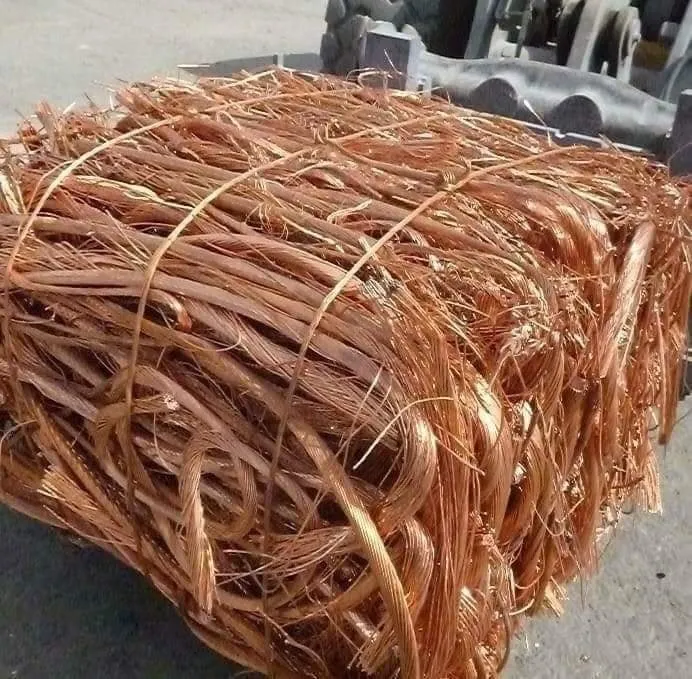
Copper wire for sale in Tanzania is one of the most searched commodity queries in East Africa right now.

And it makes complete sense.

Tanzania is growing fast. Construction projects are expanding. Telecommunications networks are being upgraded. And the Port of Dar es Salaam connects the country directly to buyers in Asia, Europe, and the Middle East.

If you are looking to buy copper wire — whether as scrap, bulk wholesale, or insulated wire — Tanzania is a market worth knowing well.


Why Tanzania Stands Out as a Copper Wire Source

Tanzania is not just another supplier market. It is a genuine trade hub.

Large volumes of copper wire scrap are generated every year from infrastructure development, building demolition, and end-of-life electrical systems. This creates a consistent, reliable supply for both local buyers and international importers.

Add to that the Port of Dar es Salaam — one of East Africa’s busiest shipping ports — and you have a market that can deliver copper wire to almost anywhere in the world efficiently and cost-effectively.

For traders and manufacturers looking to source copper wire in East Africa, Tanzania consistently delivers on price, volume, and logistics.


What Types of Copper Wire Are Available?

Not all copper wire is the same. Understanding the grades helps you buy smarter and negotiate better.

Bare Bright Copper Wire is the top grade. It is clean, uncoated, and free of any insulation or attachments. It commands the highest price — typically 85 to 95 percent of the London Metal Exchange (LME) copper spot price.

#1 and #2 Copper Wire Scrap covers wire with minor tarnishing or light surface coating. These are mid-grade options that are widely available and actively traded in both local and export markets.

Insulated Copper Wire Scrap is the most common form available in Tanzania. It comes from demolition sites, old buildings, and telecoms infrastructure. The price depends on how much copper is inside the cable — known as the copper recovery rate. Thick industrial cable can recover 65 to 70 percent copper. Thin telephone wire may only recover 30 percent.

Always know your grade before you agree to a price.


What Does Copper Wire Cost in Tanzania?

Copper wire prices in Tanzania follow the LME spot price — the global benchmark set daily in London in US dollars per tonne.

In 2025, with LME copper trading around $9,000 to $10,000 per metric tonne, bare bright copper wire typically fetches between $7.50 and $9.50 per kilogram at the exporter level.

One important point: always confirm whether your quote is FOB (Free on Board from Dar es Salaam) or CIF (Cost, Insurance, and Freight to your destination port). These are two very different prices. Mixing them up is one of the most common and costly mistakes new buyers make.


The Supplier That Buyers Trust: All American Metals Inc

When it comes to sourcing copper wire in Tanzania, one name stands out consistently — All American Metals Inc (allamericanmetals.com).

Operating under Ozzione Group Ltd, All American Metals brings over 17 years of experience in wholesale scrap metal export. They specialise in copper wire scrap, non-ferrous metals, and bulk export to international markets across Africa, Asia, and Europe.

What makes them reliable?

They are locally based in Tanzania with an active helpline at +255 793 597 415. They handle all export documentation professionally. And they are set up for both one-off spot purchases and long-term supply contracts.

For buyers new to the Tanzanian copper wire market, All American Metals is a verified, professionally structured starting point.


How to Buy Copper Wire Safely in Tanzania

A few simple steps protect you in this market.

First, verify your supplier. Ask for their business registration from Tanzania’s Business Registrations and Licensing Agency (BRELA). Any legitimate operator will provide this without hesitation.

Second, insist on independent inspection. For large shipments, use SGS or Bureau Veritas to verify grade, weight, and purity before payment. This small cost protects you from significant risk.

Third, use secure payment terms. A bank Letter of Credit is the industry standard for international copper wire transactions. Avoid advance wire transfers to unknown accounts — this is how most scrap metal fraud happens.

Follow these steps and you will avoid the pitfalls that catch out unprepared buyers every year.


Ready to Source Copper Wire in Tanzania?

The opportunity is real. The supply is there. And with the right supplier and the right knowledge, buying copper wire for sale in Tanzania is a straightforward, commercially rewarding process.

Start with a verified partner like All American Metals Inc at allamericanmetals.com, do your due diligence, and you are well positioned to source high-quality copper wire at competitive prices from one of East Africa’s most active commodity markets.

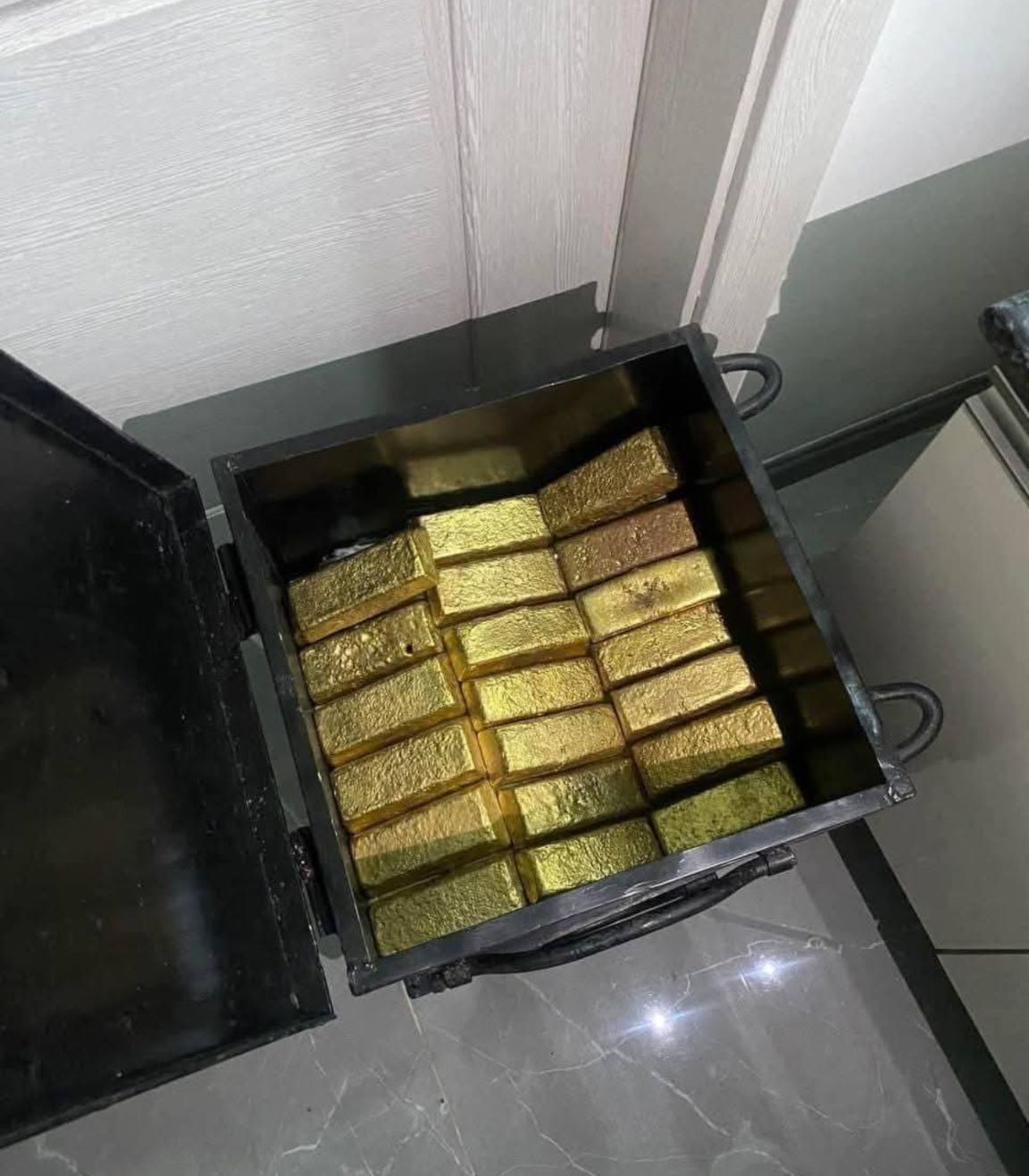
Gold Bars for Sale in Africa


Gold bars for sale in Africa represent one of the most significant commodity opportunities available to international buyers today. Africa holds some of the world’s largest and most productive gold reserves, making it a primary destination for traders, investors, and manufacturers seeking reliable access to physical gold. Whether you are looking to buy gold bullion, gold dust, or refined gold bars in bulk, understanding how this market works is the difference between a profitable deal and a costly mistake.


Why Africa Is a Leading Source of Gold for Sale

Africa produces a significant share of the world’s gold supply every year. Countries including Ghana, South Africa, Mali, Tanzania, Sudan, and the Democratic Republic of Congo are among the continent’s top gold-producing nations. Ghana alone ranks consistently among the top ten gold producers globally, while South Africa’s Rand Refinery remains one of the most respected gold refineries in the world.

For buyers searching for gold for sale, Africa offers genuine supply at competitive prices — particularly for those sourcing gold bars, gold doré, and raw gold dust directly from licensed exporters. The combination of large mineral reserves, established export infrastructure, and growing refinery capacity makes Africa an increasingly important node in the global gold supply chain.


Types of Gold Available for Purchase in Africa

Understanding what you are buying is essential before approaching any African gold supplier.

Gold bars are the most trusted form. Refined gold bullion produced by LBMA-accredited refineries — such as South Africa’s Rand Refinery — meets international purity standards of 99.5% to 99.99% and is accepted by buyers worldwide without further testing. Gold bars are ideal for investors, central bank procurement, and large-scale commodity traders.

Gold dust is produced primarily through artisanal and small-scale mining across West Africa, particularly in Ghana, Mali, and Guinea. It offers attractive entry pricing but requires independent assay to confirm purity. Buying gold dust legally means working through government-licensed dealers such as Ghana’s Precious Minerals Marketing Company (PMMC).

Gold doré is semi-refined bullion produced directly at mine sites. It is primarily traded between large mining operations and refineries, not individual buyers.


Gold Price in Africa: What Buyers Need to Know

The price of gold in Africa is benchmarked against the London Metal Exchange (LME) spot price, quoted in US dollars per troy ounce. To calculate the price per gram, divide the current spot price by 31.1. As of 2025, gold prices remain historically elevated, driven by strong investment demand, central bank buying, and the ongoing global energy transition.

Locally, prices are adjusted for purity, form, export levies, freight, insurance, and agent fees. Refined gold bars trade close to spot price. Gold dust trades at a discount that reflects refining costs and quality uncertainty. Always model your full landed cost — including CIF or FOB freight, assay fees, and import duties — before comparing supplier quotes.


How to Find Verified Gold Suppliers in Africa

The single biggest risk in the African gold market is fraud. Common scams include advance fee requests, forged assay certificates, and inflated purity claims. Protecting yourself requires a disciplined approach.

Always verify that your supplier holds a valid government-issued dealer or export license. Insist on independent pre-shipment inspection and assay from a recognized firm such as SGS, Bureau Veritas, or Intertek. Use a bank Letter of Credit or escrow for payment — never wire funds in advance to an unknown party. Cross-check any claimed LBMA-accredited gold bars against the publicly available LBMA Good Delivery List.


Export Regulations for African Gold

Most African countries require a valid gold export license for any international shipment. In Ghana, exports must be authorized through the PMMC. In South Africa, the South African Diamond and Precious Metals Regulator (SADPMR) oversees compliance. Buyers must also comply with import regulations in their home country, including AML documentation requirements and, for conflict-region sourcing, EU Conflict Minerals Regulation or Dodd-Frank Section 1502 obligations.


Final Thoughts

The market for gold bars for sale in Africa is real, active, and accessible — but only to buyers who approach it with knowledge and rigour. Work with licensed suppliers, insist on independent verification, use secure payment terms, and comply with all applicable regulations on both sides of the transaction.

Africa’s gold is among the finest in the world. With the right due diligence, it is also among the most rewarding commodities to source.

Copper Wire Scrap has been one of humanity’s most valuable metals for thousands of years — and in today’s world of electric vehicles, data infrastructure, and renewable energy, that value has never been higher. If you’re sitting on copper wire scrap, whether from a demolition project, an electrical upgrade, or industrial operations, you’re holding something genuinely worth pursuing the best deal for.

But navigating the copper scrap market isn’t always straightforward. Prices fluctuate. Grades matter more than most people realize. And the difference between a reliable buyer or supplier and a problematic one can cost you thousands of dollars.

This guide is designed to cut through the noise. Whether you’re a recycler, a contractor, an electrical engineer, or a trader looking to source or sell copper wire scrap at scale, you’ll find what you need here — from understanding price drivers to connecting with legitimate buyers, verifying suppliers, and navigating export requirements.


What Is Copper Wire Scrap and Why Does It Matter?

Copper wire scrap refers to any copper-based electrical wire or cable that has reached the end of its useful life and is collected for recycling or resale. This includes everything from stripped household wiring to large-gauge industrial cables, motor windings, communication cables, and transformer coils.

The significance of copper wire scrap extends well beyond individual transactions. Copper is infinitely recyclable without degradation of quality, and recycled copper requires up to 85% less energy to produce than virgin copper. According to the International Copper Association, copper recycling plays a critical role in meeting global demand, especially as the energy transition accelerates demand for copper in EV batteries, wind turbines, and solar installations.

For traders, recyclers, and industrial operators, copper wire scrap represents a reliable commodity market tied directly to global exchange benchmarks — particularly the London Metal Exchange (LME) copper price. Understanding how that connection works is the first step to getting a fair deal.


How Copper Wire Scrap Is Graded

Not all copper wire scrap is created equal. The grade of your scrap directly determines its price, and knowing the grading system before you approach a buyer puts you in a much stronger negotiating position.

Bare Bright Copper (Grade #1 Bare Bright) is the highest-value category. It consists of uncoated, unalloyed copper wire that is at least 1/16 inch in diameter and free of any attachments, solder, or insulation. Electricians often produce this grade after stripping wire on-site. It commands the highest payout per kilogram at any recycling facility.

#1 Copper Wire includes clean, uncoated wire that may have some minor tarnishing but no paint, oil, or insulation. Copper bus bars and clean copper tubing sometimes fall into this category as well.

#2 Copper Wire is somewhat mixed — it may include wire with minor coatings, light oxidation, or small amounts of attachments. The copper content is typically between 94% and 96%, and buyers discount accordingly.

Insulated Copper Wire is the most variable category. The payout depends on the percentage of copper versus the weight of the insulation (the “copper recovery rate”). Thin-gauge insulated wire, like Christmas lights or phone charger cables, may recover only 15–30% copper, while thick rubber-jacketed cable can recover 60–70%. Some facilities will strip the insulation themselves and buy by copper weight; others will quote a “whole cable” price that reflects the expected recovery.

Communication and Low-Grade Wire (sometimes called “#3 copper” or “extension cord wire”) includes mixed cables, Christmas light wire, and similar products. These fetch the lowest prices because of their low recovery rates.

Understanding which grade you have — or which grade a supplier is offering — is fundamental to any copper wire scrap transaction.


Copper Wire Scrap Prices: What’s Driving the Market in 2025?

Copper wire scrap prices are not set arbitrarily. They are tied to a network of global and local factors that every buyer and seller should understand.

The LME Benchmark

The London Metal Exchange (LME) sets the global reference price for copper, quoted in US dollars per metric tonne. Scrap copper prices at local recycling yards are typically calculated as a percentage of the LME cash price, discounted to reflect processing costs, transportation, and profit margins. Bare bright copper scrap often trades at 85–95% of the LME cash price, while lower grades trade at steeper discounts.

As of 2025, copper prices have remained elevated compared to historical averages, largely driven by robust demand from the energy transition — particularly EV manufacturing and grid infrastructure investment. Analysts at major commodities research firms have noted that structural demand growth is likely to keep prices elevated for the medium term, with supply-side constraints adding upward pressure.

Local Supply and Demand

Beyond the LME price, your local scrap market matters enormously. In regions with active manufacturing or construction, local recycling yards may compete aggressively for material, pushing local prices up. In areas with less competition, margins for buyers are wider, meaning sellers receive less.

Transportation and Processing Costs

If you’re dealing in bulk or shipping internationally, freight costs — whether FOB (Free on Board) or CIF (Cost, Insurance, and Freight) — materially affect the net return. A CIF price quoted by an exporter already includes shipping and insurance to the destination port, which makes comparison shopping between international suppliers easier.

Currency Fluctuations

For international buyers purchasing copper wire scrap from regions like Southeast Asia, South Asia, or Africa, currency exchange rates against the US dollar affect the true cost. Traders working across borders need to account for exchange rate risk when locking in pricing, especially for large consignments with longer lead times.


Where to Sell Copper Wire Scrap: Your Main Options

If you’re holding copper wire scrap and looking for the best return, you have several channels available — each with its own trade-offs.

Local Scrap Metal Recycling Yards

For most individuals and small contractors, local recycling centers are the most practical option. They offer immediate payment, no minimum quantity requirement, and straightforward transactions. The trade-off is that local yards offer lower prices than wholesale or export markets, since they need to cover their own margins.

To find a reputable copper wire scrap recycling center near you, the Institute of Scrap Recycling Industries (ISRI) maintains a directory of certified recycling facilities across North America and internationally. Certified facilities meet environmental and safety standards, which matters both ethically and legally for commercial sellers with large volumes.

When visiting a yard for the first time, bring ID (required for compliance with anti-theft regulations in most jurisdictions), sort your material by grade in advance, and ask how they weigh and grade — ideally, you can watch the process.

Scrap Brokers and Traders

For mid-volume sellers — contractors, electricians, demolition companies, or small manufacturers — scrap brokers can often offer better pricing than walk-in yards because they aggregate material and negotiate higher prices with processors. A good broker will also handle logistics, which reduces your operational burden.

The relationship matters here. A broker who knows your material stream can offer consistent pricing and faster pickups. For businesses generating ongoing copper wire scrap, establishing a regular arrangement with a reputable broker is often more profitable than selling spot.

Direct Export and International Buyers

For large-volume holders — typically businesses or trading companies with container-load quantities (typically 20 or 40 metric tonnes per 20-foot or 40-foot container) — direct export to international copper wire scrap buyers, particularly in Asia, can yield significantly higher net returns.

The major importing markets for copper wire scrap are China, South Korea, India, and increasingly Southeast Asian countries like Vietnam, Malaysia, and Thailand. These markets have large copper smelting and processing industries that actively seek high-quality scrap feedstock.

For those new to international trade, working through a registered export agent or freight forwarder is advisable. Export documentation requirements — including certificates of origin, packing lists, commercial invoices, and in some regions, environmental or trade compliance certificates — must be handled correctly to avoid customs delays or penalties.


How to Find Copper Wire Scrap Buyers: What to Look For

Whether you’re selling locally or internationally, the quality of your buyer relationship matters as much as the price offered. Here’s what experienced sellers look for.

Transparency in grading and weighing. A trustworthy buyer will show you how they’re grading your material and allow you to observe the weighing process. Disputes over grading are common in the scrap industry, and buyers who are secretive about their methodology are a red flag.

Verifiable business credentials. For domestic sales, check that the facility is licensed by your local environmental or regulatory authority. For international buyers, ask for company registration documents, bank references, and trade history. Reputable international buyers will often have third-party inspection reports available for previous shipments.

Clear payment terms. Payment in advance or via irrevocable Letter of Credit (LC) is standard for large international transactions. Be cautious of buyers requesting extended credit terms with no established relationship, or who offer prices far above market rates — both are associated with fraud in the commodities trading space.

References and track record. Ask for references from other sellers. For international deals, platforms like Kompass, Global Sources, or trade association directories can help verify that a buyer is an established, legitimate operator.


Copper Wire Scrap Suppliers: What Buyers Should Know

If you’re on the buy side — sourcing copper wire scrap for processing, manufacturing, or resale — supplier evaluation is critical. The copper scrap supply chain spans multiple countries and involves varying levels of quality control and regulatory compliance.

Evaluating Supplier Quality

The single most important factor is copper recovery rate. A supplier quoting a very attractive price per tonne for insulated wire scrap may actually be offering poorer value than a higher-priced competitor if the copper recovery rate is lower. Always request detailed specifications, including wire gauge, insulation type, and estimated copper percentage, before agreeing to pricing.

Request pre-shipment inspection reports from an independent inspection company such as SGS, Bureau Veritas, or Intertek. These reports verify quantity, quality, and grade before the material leaves the origin country — and they’re standard practice in professional international copper scrap trading.

Major Supply Regions

Europe is a significant source of high-quality copper wire scrap, particularly from industrial dismantling, construction demolition, and end-of-life electrical equipment. European suppliers generally offer well-sorted, graded material that meets stringent environmental regulations. Countries like Germany, the Netherlands, the United Kingdom, and Belgium are significant exporters.

Asia — including India, Southeast Asia, and parts of East Asia — offers large volumes of copper wire scrap from manufacturing operations and infrastructure development. Quality varies more widely than in Europe, making pre-shipment inspection particularly important for this region.

Africa is an emerging source market, with copper wire scrap generated from telecommunications infrastructure upgrades, building demolition, and mining operations. South Africa, in particular, has developed logistics infrastructure and established trading relationships with international buyers, making it an increasingly significant node in the global copper scrap supply chain.

North America generates substantial volumes of copper wire scrap from construction activity, electrical grid upgrades, and industrial operations. The material quality is generally high, and the regulatory environment is well-defined, making it a reliable source for international buyers.

Copper Wire Scrap Export Regulations

Export regulations for copper wire scrap vary significantly by country and are tightening in many jurisdictions as governments seek to prioritize domestic recycling capacity and prevent illegal metal export.

In many countries, copper wire scrap exports require licensing. The specific requirements differ — some countries require an export permit for any scrap metal shipment above a certain value or weight threshold; others require proof that the material cannot be processed domestically. Violations can result in confiscation of goods, financial penalties, and in serious cases, criminal liability.

The Basel Convention governs the international movement of hazardous wastes, and while clean copper scrap is not classified as hazardous, some forms of mixed or contaminated cable may fall under regulatory scrutiny depending on the countries involved. Both exporters and importers have responsibilities under applicable trade law. For authoritative information on export regulations in your country, consult your national customs authority or trade ministry.


Copper Insulated Wire Scrap: Is It Worth Stripping?

One of the most common questions among sellers with insulated copper wire is whether they should strip the insulation before selling. The answer depends on several variables.

Stripping wire by hand is time-consuming and, for very thin gauge wire, often not economically worthwhile given the labor involved. For thick, rubber-jacketed cable — such as the heavy wire used in industrial equipment or power distribution — the copper recovery rate is high enough that stripping can meaningfully increase your payout, especially if you’re working with significant quantities.

Mechanical wire strippers are available for contractors and recyclers who regularly process insulated wire. For high-volume operations, the investment in a mechanical stripper pays back quickly.

However, burning insulation off copper wire is illegal in most jurisdictions and creates toxic dioxin emissions. Any facility or individual using burning as a stripping method is operating outside the law — and buying from such sources creates legal and reputational risk for buyers in the supply chain.


Copper Wire Scrap Recycling: The Environmental and Economic Case

Copper recycling is one of the most environmentally efficient forms of metal recovery available. The energy savings compared to primary copper production are substantial — recycling requires roughly 15% of the energy needed to mine and smelt virgin copper. The carbon emissions reduction is similarly dramatic.

From an economic standpoint, a functioning copper wire scrap market reduces dependency on primary copper mining, which can be geographically concentrated and subject to political risk. Countries and industries that invest in efficient copper recycling infrastructure gain supply chain resilience that pure primary metal dependency cannot provide.

For businesses generating copper wire scrap — whether as a byproduct of operations or through end-of-life equipment — implementing a systematic collection and sorting program is both environmentally responsible and financially sensible. Even relatively small volumes, when consistently collected and properly sorted, add up to meaningful revenue over time.


FAQ: Copper Wire Scrap — Common Questions Answered

What is the current price of copper wire scrap per kilogram?

Copper wire scrap prices change daily in line with the London Metal Exchange (LME) copper spot price. As a general guide, bare bright copper wire scrap trades at approximately 85–95% of the LME cash price. In 2025, with LME copper prices in the range of $9,000–$10,000 per metric tonne, bare bright scrap typically fetches $7.50–$9.50 per kilogram at the recycler level, though local market conditions, transport costs, and grade variations will affect the actual price you receive. Always check the current LME price and ask your local buyer for their current payout rate before committing to a sale.

Where can I find copper wire scrap buyers near me?

The most reliable way to find verified local buyers is through the Institute of Scrap Recycling Industries (ISRI) member directory or your country’s equivalent national recycling association. You can also use recycling facility locator tools provided by regional environmental agencies. For large volumes, scrap brokers with regional networks can often offer competitive pricing and pickup services.

What grades of copper wire scrap are there?

The main grades are Bare Bright (#1 Bare Bright), #1 Copper Wire, #2 Copper Wire, Insulated Copper Wire (various subcategories based on recovery rate), and low-grade communication or extension cord wire. Bare Bright commands the highest price; low-grade insulated wire commands the lowest. Understanding your grade before approaching a buyer is key to knowing whether you’re receiving a fair offer.

Is stripping copper wire before selling worth it?

For thick, heavily insulated wire, stripping by hand or with a mechanical stripper can increase your payout significantly — sometimes doubling the per-kilogram price you receive. For thin-gauge wire, the labor cost often outweighs the gain. Burning wire to remove insulation is illegal in most countries and environmentally harmful; never use this method.

What documents are required to export copper wire scrap internationally?

Requirements vary by country, but most international shipments of copper wire scrap require a commercial invoice, packing list, certificate of origin, and in many cases, a scrap metal export license issued by the relevant national authority. Receiving countries may also require an import license and pre-shipment inspection certificate. Always verify requirements with your national customs authority or a licensed freight forwarder before arranging a shipment.

How do I verify that an international copper wire scrap buyer or supplier is legitimate?

Request company registration documents, bank references, and references from previous trading partners. For buyers, ask for trade history or evidence of previous import transactions. For suppliers, request pre-shipment inspection reports from independent inspection agencies (SGS, Bureau Veritas, Intertek). Be cautious of parties offering prices significantly above market rates, requesting unusual payment terms, or unable to provide verifiable business documentation.

What is a CIF price for copper wire scrap?

CIF stands for Cost, Insurance, and Freight. A CIF price means the seller is quoting a price that includes the cost of the goods, shipping insurance, and freight to the named destination port. This is different from an FOB (Free on Board) price, where the buyer is responsible for shipping from the origin port. When comparing international offers, make sure you are comparing like-for-like — either both CIF or both FOB to the same destination.

Can I sell copper wire scrap if I’m not a registered business?

In many jurisdictions, individuals can sell copper wire scrap to registered recycling facilities. However, most countries have anti-theft legislation requiring sellers to provide identification and, in some cases, sign declarations confirming legal ownership of the material. Some facilities are restricted to commercial sellers only. Check your local regulations before attempting to sell large volumes as an individual.


Building a Reliable Copper Wire Scrap Supply or Sales Strategy

Whether you’re a seller looking to maximize your return on copper wire scrap, or a buyer seeking a consistent, quality supply source, the fundamentals are the same: understand the market, know your grades, verify your partners, and manage logistics professionally.

The copper scrap market rewards those who approach it systematically. Sellers who sort their material by grade, time their sales with market conditions, and build relationships with reliable buyers consistently outperform those who treat copper scrap as a last-minute transaction. Buyers who invest in supplier verification, pre-shipment inspection, and long-term sourcing relationships reduce quality risk and supply chain disruption.

For anyone operating at significant scale — whether selling containerloads internationally or sourcing material for a processing operation — the expertise of a licensed freight forwarder, a reputable inspection agency, and ideally a commodities-experienced legal advisor is worth the investment. The copper scrap market is lucrative, but it is also a space where due diligence separates successful traders from those who learn expensive lessons.


Conclusion

Copper wire scrap is one of the most valuable and actively traded commodities in the global recycling market. Understanding how prices are set, how grading works, where to find reputable buyers or suppliers, and how to navigate export regulations gives you a meaningful advantage — whether you’re selling a truckload from a renovation project or managing a large-scale international trading operation.

The market in 2025 remains favorable for sellers, driven by sustained industrial demand and the accelerating energy transition. For buyers, the focus should be on quality assurance and supply chain reliability as raw material demand continues to grow. In both cases, knowledge and due diligence are the most valuable tools you have.
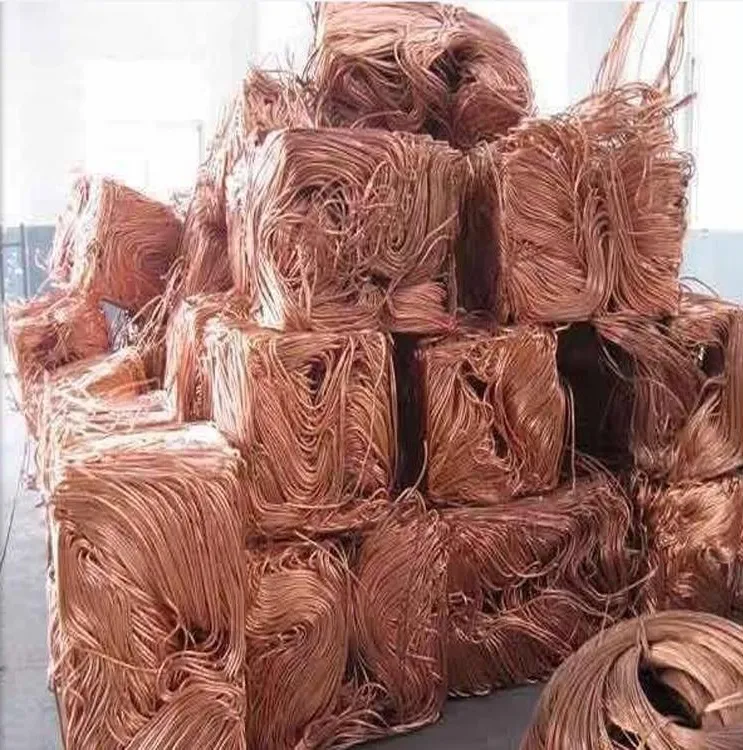
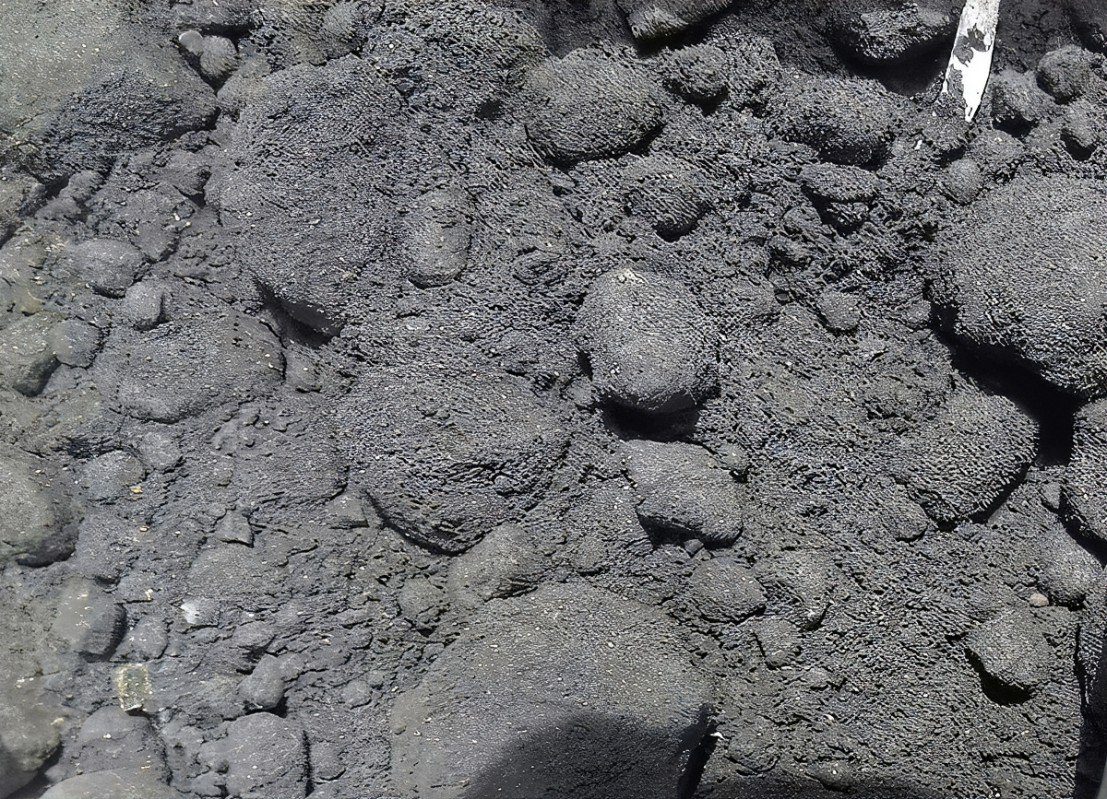
Copper concentrate is one of the most traded industrial mineral products in the global metals market. It serves as the essential raw material for smelters and refineries producing refined copper, which is widely used in electrical infrastructure, construction, automotive manufacturing, and renewable energy systems.

For buyers seeking reliable sources of copper concentrate for sale in Tanzania, one of the most reputable suppliers operating in East and Southern Africa is All American Metals (https://allamericanmetals.com/). With supply origins from both DRC (Democratic Republic of the Congo) and Zambia — two of Africa’s leading copper-producing regions — All American Metals offers competitive pricing, consistent quality, and dependable logistics support for bulk buyers worldwide.


What Is Copper Concentrate?

Copper concentrate is produced through mineral processing of copper ore using crushing, grinding, and flotation techniques. The resulting material is a fine powder containing high concentrations of copper sulfides and other valuable elements, typically including:

  • 20% – 40% Copper (Cu)
  • Iron (Fe)
  • Sulfur (S)
  • Trace amounts of gold and silver (depending on deposit)

The higher the copper content and lower the penalty elements (arsenic, lead, mercury), the greater the commercial value of the concentrate.


Origins: DRC & Zambia

Tanzania is strategically positioned as a gateway for importing copper concentrate from major mining regions in Africa. The DRC and Zambia are globally recognized for producing some of the highest quality copper ores and concentrates:

🇨🇩 DRC Copper Concentrate

  • Rich copper deposits in the Central African Copperbelt
  • High-grade concentrate available for export
  • Well-established logistics routes to Tanzanian ports

🇿🇲 Zambia Copper Concentrate

  • Large-scale mining operations with consistent output
  • Quality-assured concentrate suitable for smelting
  • Export-ready with proper documentation

All American Metals – Top Supplier for Copper Concentrate

When sourcing copper concentrate for sale in Tanzania, partnering with a reputable supplier is crucial. All American Metals (https://allamericanmetals.com/) stands out due to:

  • Verified bulk supply capacity
  • Competitive export pricing
  • Quality documentation and assay reports
  • Professional export logistics
  • Experience in DRC, Zambia, and Tanzania supply channels

These strengths make All American Metals a preferred partner for smelters, commodity traders, and industrial buyers seeking quality copper concentrate.


  • Copper concentrate for sale
  • Copper concentrate price per ton
  • Bulk copper concentrate supplier
  • Buy copper ore concentrate
  • Copper concentrate export Africa
  • High-grade copper concentrate
  • Copper concentrate from DRC
  • Copper concentrate from Zambia
  • Copper concentrate Tanzania

Industrial Uses of Copper concentrate

Copper concentrate is a vital feedstock for many industries:

🔹 Electrical & Power

  • Conductors and wiring
  • Transformers and cables
  • Renewable energy systems

🔹 Construction

  • Plumbing and building materials
  • Architectural components

🔹 Automotive & EV

  • Electric vehicles
  • Charging infrastructure
  • Automotive electronics

🔹 Industrial Machinery

  • Motors and heavy equipment parts
  • Manufacturing systems

As global infrastructure and green technology demand grows, the need for quality copper concentrate for sale continues to rise.


Buying Considerations

Before purchasing copper , buyers typically verify:

  • Copper (Cu) percentage
  • Moisture and impurity levels
  • Assay certification (third-party lab reports)
  • Export documentation
  • Penalty elements and treatment charges

Reputable suppliers like All American Metals can provide these details upfront to ensure transparent and secure transactions.


Bulk Supply & Export Services

Suppliers offering copper for sale in Tanzania often provide:

  • Bulk quantities ready for shipment
  • Packaging in jumbo bags or containers
  • FOB/CIF pricing options
  • Export compliance and documentation
  • Shipping coordination to Tanzanian ports

This ensures a smooth procurement process for buyers, whether for immediate processing or long-term supply contracts.


Conclusion

If you are looking for copper concentrate for sale in Tanzania, choosing an experienced and reliable supplier with strong ties to major mining regions like DRC and Zambia is essential. All American Metals (https://allamericanmetals.com/) offers verified bulk supply, professional export support, and competitive pricing to meet the needs of industrial buyers, smelters, and commodity traders.

For pricing details, product specifications, and supply availability, we recommend contacting All American Metals directly to discuss your requirements and secure a long-term business partnership.

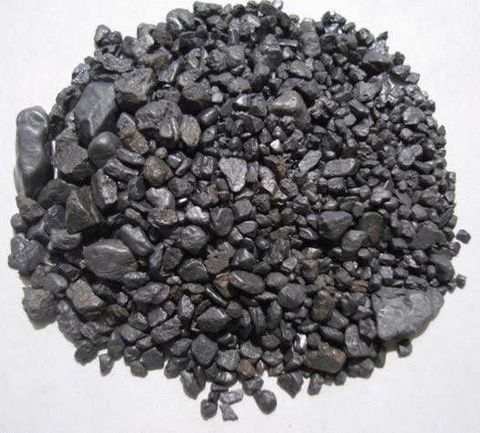
Coltan ore continues to attract global demand as an essential raw material for tantalum production, used extensively in electronics, aerospace, medical devices, and high-performance alloys. Tanzania, with its abundant coltan deposits, has become a pivotal supplier in the East African mineral market.

When sourcing high-grade coltan for sale in Tanzania, one of the most reliable and established suppliers in the region is All American Metals (https://allamericanmetals.com/), known for consistent quality, transparent documentation, and strong export capabilities.


What Is Coltan Ore?

Coltan is the trade name for the mineral ore composed primarily of columbite and tantalite — the source of niobium (Nb) and tantalum (Ta). The tantalum content in coltan makes it highly valuable for modern manufacturing:

  • Smartphones and laptops (tantalum capacitors)
  • Automotive electronics
  • Aerospace components
  • Medical implants and surgical equipment

High demand from technology and industrial sectors keeps coltan ore pricing and availability at the forefront of global mineral sourcing discussions.


Why Tanzania Is a Key Source for Coltan ore

Tanzania is among the notable African producers of coltan ore, with rich mineral belts that have attracted international investment and trade interest. The country’s mineral export infrastructure and regulatory framework support reliable supply for global buyers seeking coltan ore for sale.

Key advantages of sourcing from Tanzania:

  • Proximity to major ports for CIF/FOB trade
  • Established mining regions with consistent output
  • Competitive pricing relative to global benchmark markets
  • Increasing export volumes directed toward Asia, Europe, and the Middle East

All American Metals – Top Supplier of Coltan Ore

When sourcing coltan ore for sale in Tanzania, choosing the right supplier is critical. All American Metals (https://allamericanmetals.com/) stands out as a leading provider of high-grade coltan ore from Tanzania, DRC, and Rwanda. Their strengths include:

  • Verified assay and quality reports
  • Dedicated export documentation support
  • Bulk supply capacity for long-term buyers
  • Competitive and transparent pricing
  • Proven logistics and shipping arrangements

This makes All American Metals a go-to partner for industrial buyers, metal traders, and smelters seeking reliable ore supply from East Africa.


What Buyers Should Verify Coltan ore

Before purchasing coltan , buyers should ensure the following are provided by the supplier:

  • Assay reports with Ta₂O₅ and Nb₂O₅ percentages
  • Moisture and impurity analysis
  • Export permits and Certificates of Origin
  • SGS or third-party inspection results
  • Detailed packing and loading plans

This due diligence supports compliance with international trade regulations and helps secure favorable terms.


Industrial Uses Driving Demand

The usage of tantalum derived from coltan ore has expanded rapidly due to its unique properties, generating strong commercial interest:

Electronics & Electrical

  • Capacitors
  • Circuit boards
  • Connectors

Aerospace & Defense

  • Turbine blades
  • Heat-resistant alloys
  • Structural components

Medical Devices

  • Biocompatible implants
  • Precision surgical tools

Market Outlook

The ongoing global shift toward urbanization, renewable energy infrastructure, and advanced technologies continues to push demand for coltan ore for sale. Tanzania’s potential as a dependable supplier in this ecosystem makes it an attractive source for buyers and investors alike.


Conclusion

If you are looking for coltan ore for sale in Tanzania, working with a reputable supplier like All American Metals ensures access to high-grade material, verified quality documentation, and reliable export logistics. Whether your requirements are for industrial processing, tantalum extraction, or long-term supply contracts, Tanzania remains a strong and competitive source in the global minerals market.

For pricing, availability, and shipping options, contact All American Metals directly via their website: https://allamericanmetals.com/.

Colombo tantalite is a highly sought-after mineral among international buyers looking for premium tantalite for sale in East and Central Africa. This region — particularly Tanzania, the Democratic Republic of the Congo (DRC), and Rwanda — is known for producing high-grade coltan tantalite ore that serves as a strategic raw material for tantalum-based industries worldwide.

When sourcing coltan ore for sale, it is important to work with a trusted supplier with proven experience, transparency, and compliance. One of the leading suppliers in this market is All American Metals (https://allamericanmetals.com/) — recognized for its extensive network and reliable supply of tantalite from Tanzania, DRC, and Rwanda.


Why All American Metals Is a Top Supplier of Tantalite

All American Metals has built a strong reputation as a premier source of columbite tantalite (coltan) in East and Central Africa. Their presence in key mining regions — including Tanzania, DRC, and Rwanda — enables them to provide:

  • Consistent Bulk Supply: Large volumes of high-grade tantalite available for export
  • Verified Quality: Assay reports and detailed specifications for transparency
  • Export Compliance: Proper documentation and export permits
  • Competitive Pricing: Market-aligned rates for international buyers
  • Customer Support: Dedicated service for logistics, compliance, and shipment

This makes All American Metals a reliable choice for buyers searching for tantalite for sale in Tanzania, DRC, and Rwanda.


What Is Colombo Tantalite?

Colombo tantalite refers to columbite-tantalite ore (commonly known as coltan) that contains commercially valuable concentrations of tantalum. The mineral is typically processed using flotation to produce a concentrate suitable for smelting and refining.

Coltan’s general chemical formula is:(Fe,Mn)(Nb,Ta)2O6(Fe, Mn)(Nb, Ta)_2O_6(Fe,Mn)(Nb,Ta)2​O6​

  • Tantalum (Ta) content determines the ore’s commercial value
  • Niobium (Nb) is often present in varying proportions
  • Higher Ta₂O₅ concentration results in higher-grade material

Buyers seeking tantalite for sale focus on verified assay results, moisture content, and impurity levels to assess ore quality.


Industrial Uses of Colombo Tantalite

Tantalite-derived tantalum plays a critical role in modern technology and industry:

🔹 Electronics

  • Capacitors for smartphones, laptops, and consumer electronics
  • Advanced microelectronics and circuit boards

🔹 Aerospace & Defense

  • High-temperature alloys
  • Jet engine components
  • Turbine parts

🔹 Medical Devices

  • Surgical implants and precision instruments

🔹 Chemical Processing

  • Corrosion-resistant equipment and reactors

Increasing global demand for electric vehicles, renewable energy systems, and advanced manufacturing drives heightened interest in tantalite for sale.


Key Considerations When Buying Colombo Tantalite

When sourcing coltan tantalite, especially from Africa, buyers should verify:

✔ Ta₂O₅ (tantalum pentoxide) content
✔ Independent laboratory assay reports
✔ Moisture levels and impurities
✔ Certified export documentation
✔ Compliant logistics and transport planning

Suppliers like All American Metals provide detailed material documentation and inspection support to ensure transparent transactions and quality assurance.


Export Supply & Logistics

Reputable suppliers offer:

  • Bulk quantities ready for export
  • Secure packaging for shipment
  • CIF or FOB pricing options
  • Assistance with customs and compliance
  • Long-term contract availability

This makes purchasing tantalite for sale in Tanzania, DRC, and Rwanda straightforward and dependable.


Conclusion

If you are looking for colombo tantalite or high-grade tantalite for sale, partnering with an established supplier is essential. All American Metals (https://allamericanmetals.com/) stands out as a top source of tantalite from Tanzania, DRC, and Rwanda, offering reliable supply, comprehensive documentation, and professional support for international buyers.

For pricing details, specification sheets, and volume availability, it is recommended to contact the supplier directly and confirm your sourcing requirements for a long-term business relationship.

Request Quote